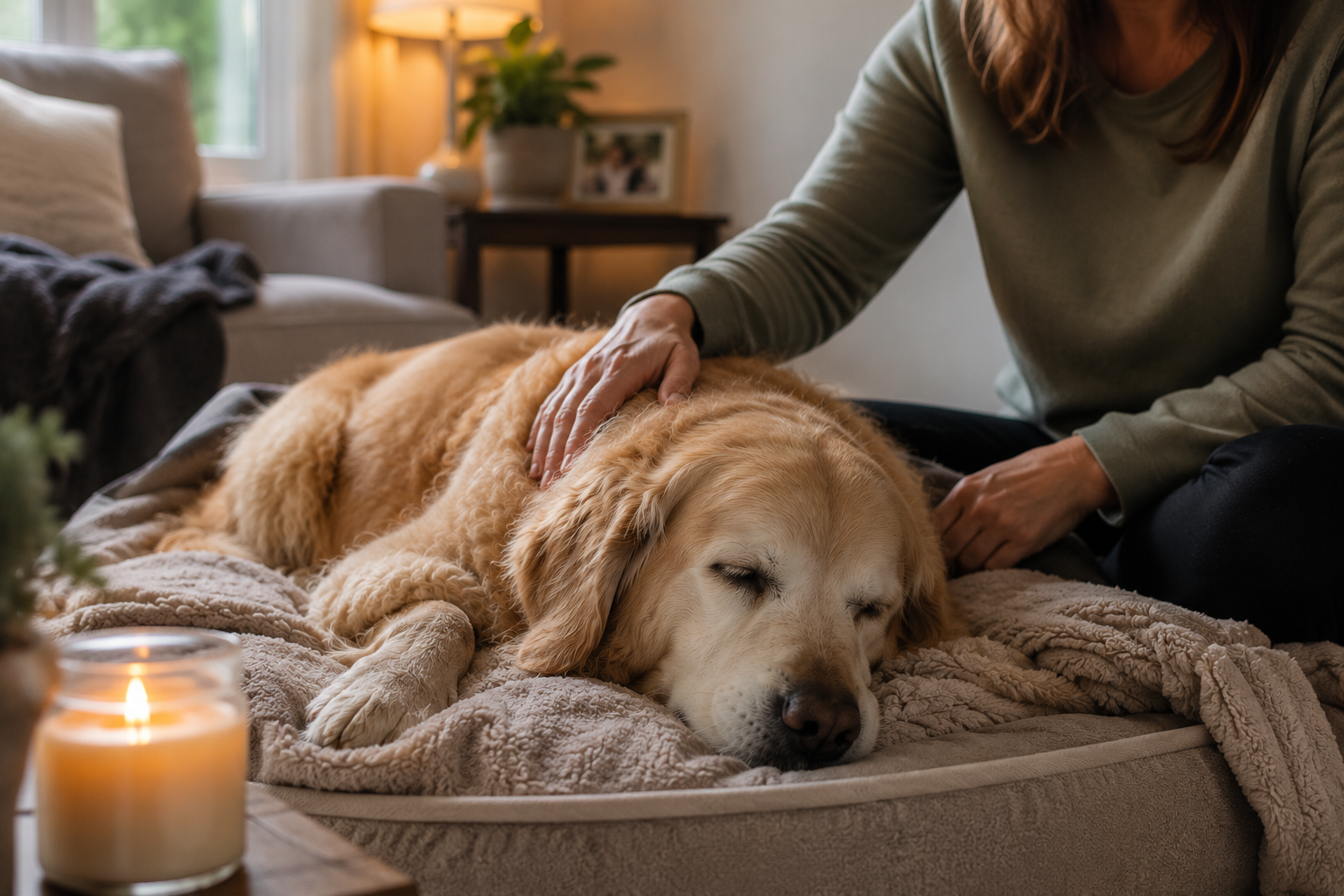
How to calm an anxious dog at home is something many owners struggle with more than they expect. A dog that paces, pants, hides, or destroys things when stressed is not being difficult. They are genuinely overwhelmed and do not know how to manage it on their own.
The good news is that anxiety in dogs is not something they simply have to live with. You cannot wish it away or ignore it and hope it gets better on its own. But with the right approach, most anxious dogs improve significantly. Sometimes it goes away almost entirely.
The most effective approach combines two things: a calm, predictable environment with as few stress triggers as possible, and the right calming support whether that is supplements, products, or behavior techniques. Neither alone works as well as both together.
This guide covers what actually works at home, without medication, for most anxious dogs.
By Dogcat-Care.
This post contains affiliate links. If you buy through these links, I may earn a small commission at no extra cost to you. As an Amazon Associate, I earn from qualifying purchases.
Table of Contents
Understanding Dog Anxiety First
Before jumping to solutions, it helps to understand what is actually happening when a dog is anxious.
Anxiety in dogs is a genuine stress response. Their brain perceives a threat, real or imagined, and triggers a cascade of physical reactions including elevated cortisol, increased heart rate, and heightened alertness. For some dogs this happens occasionally in response to specific triggers like thunderstorms or strangers. For others it is a constant low-level state that affects their daily quality of life.
The most common types of dog anxiety are separation anxiety, noise anxiety, social anxiety from fear of strangers or other dogs, and generalized anxiety where the dog seems stressed much of the time without a clear trigger. Dog Won’t Settle at Night: Causes and What Actually Helps
Knowing which type your dog has matters because the solutions are not identical. A dog with separation anxiety needs different management than one with noise phobia. But the foundational approach of a stable environment combined with calming support applies to all of them.
Create a Calm, Predictable Environment
This is the foundation. Everything else works better when the environment is right.
Anxious dogs are sensitive to unpredictability. Surprises, sudden changes in routine, loud noises, and erratic human energy all add to their baseline stress level. The more stable and predictable their daily life is, the lower that baseline becomes.
Keep a consistent routine
Feed, walk, and interact with your dog at the same times every day. Dogs are creatures of habit. Knowing what to expect and when reduces anticipatory anxiety significantly. A dog that knows their walk happens after breakfast and dinner has less reason to be anxious about whether it will happen at all.
Create a dedicated safe space
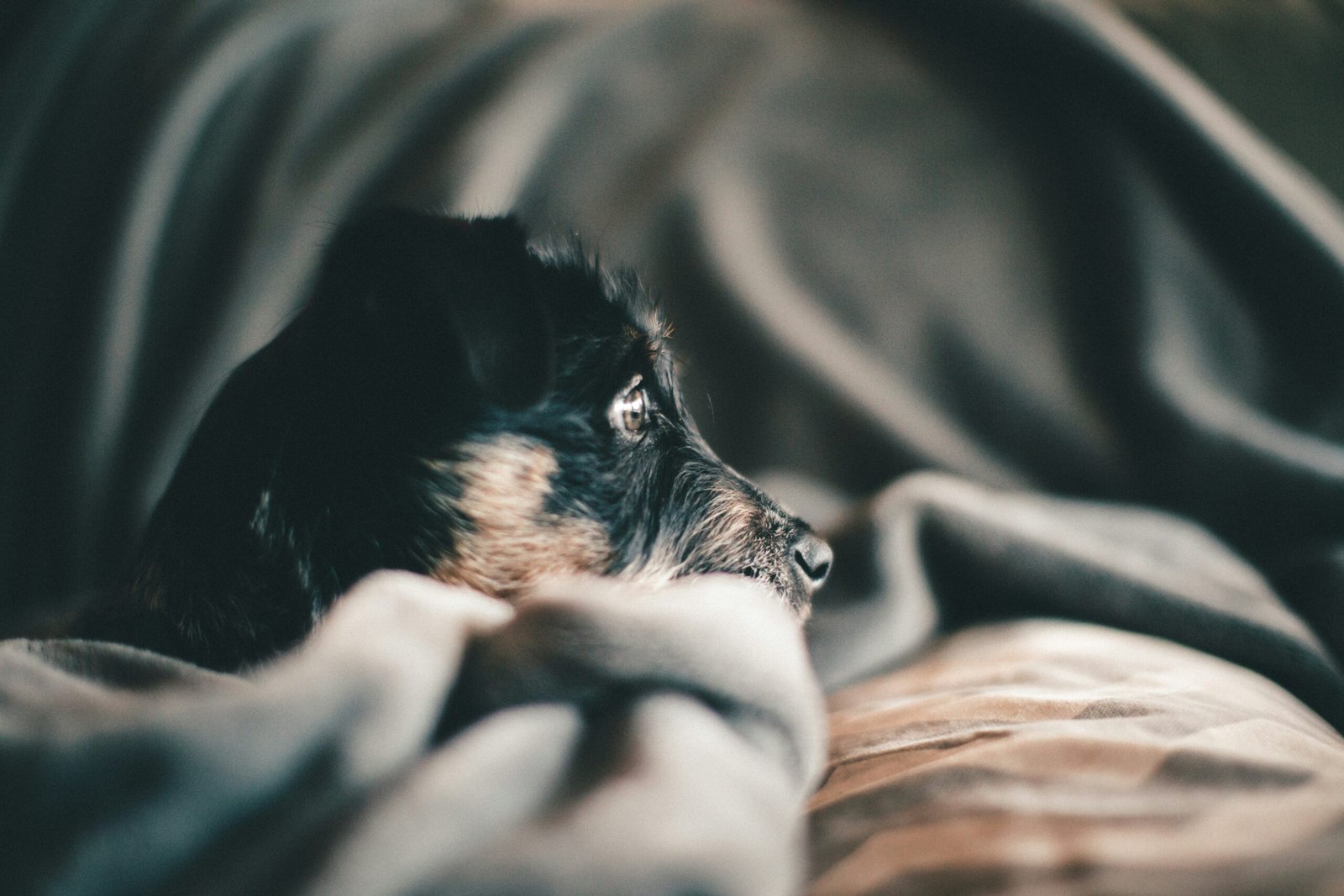
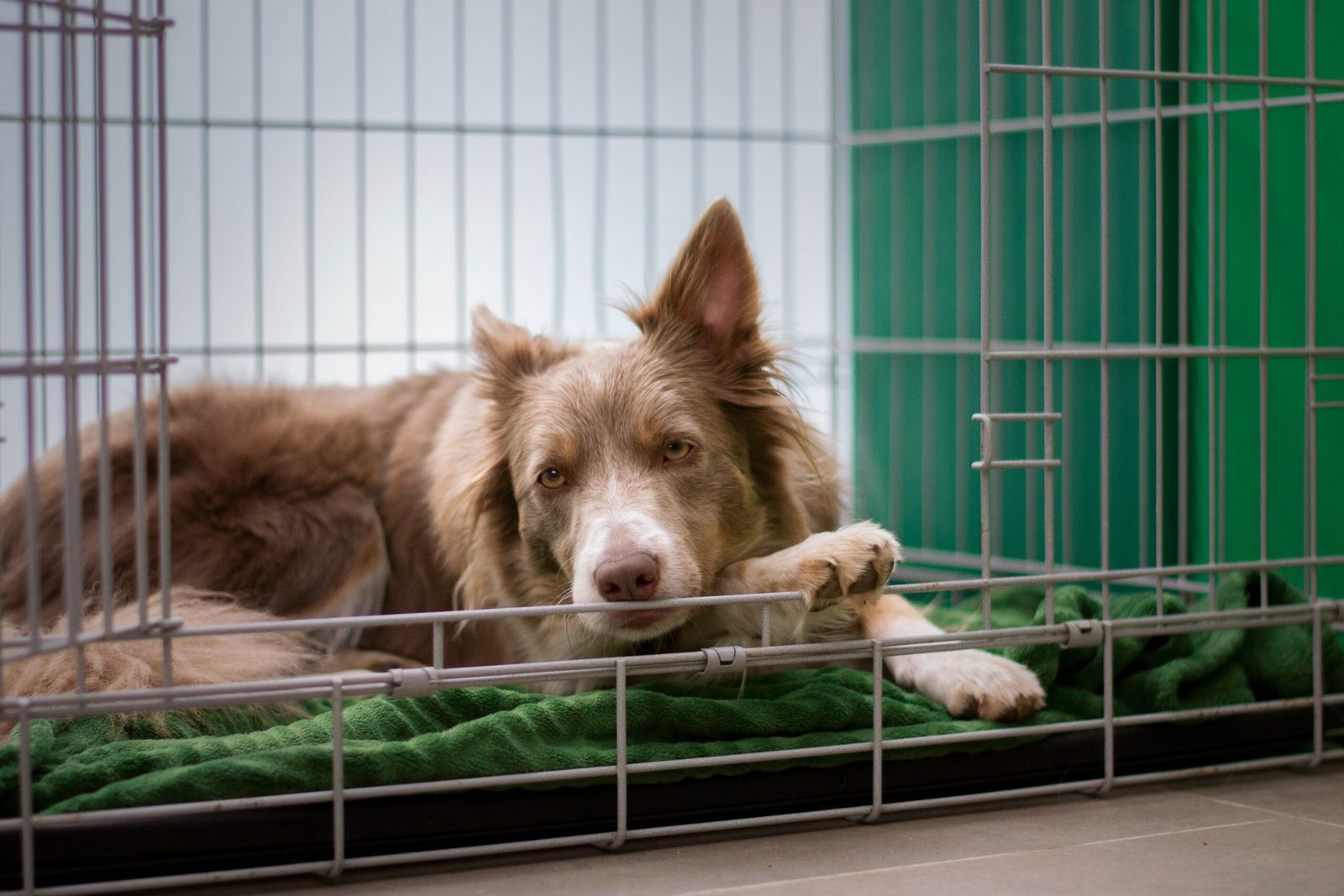
Every anxious dog benefits from having one spot that is consistently calm, comfortable, and their own. A bed or crate in a quiet corner, away from high-traffic areas and sudden noises, gives your dog somewhere to go when they feel overwhelmed. The key is that this space is always available and never used as punishment.
Add familiar scents, a worn item of your clothing, and minimal stimulation. Over time this spot becomes a genuine refuge rather than just a place to sleep.
Reduce unnecessary triggers
This sounds obvious but many owners underestimate how many stress triggers their dog is dealing with daily. Loud TV, frequent visitors, unpredictable noise from outside, other animals, children moving suddenly. Not all of these can be eliminated but many can be reduced. A dog that deals with fewer triggers throughout the day is a calmer dog overall.
Stay calm yourself
Dogs read human emotional states with remarkable accuracy. An owner who tenses up when they see their dog is anxious, or who responds to anxious behavior with frustration or excessive reassurance, reinforces the anxiety rather than reducing it. Calm, neutral energy from you communicates to your dog that there is nothing to worry about.
How Often Should You Walk a Dog? The Honest Answer by Breed and Size
Use Calming Support
A stable environment reduces the triggers. Calming support helps the dog manage the anxiety response itself. The two together work significantly better than either alone.
Calming supplements
Several natural supplements have good evidence for reducing anxiety in dogs without sedation. The most effective ones include:
L-theanine, an amino acid found in green tea that promotes relaxation without drowsiness. It is widely used in dog calming products and generally well-tolerated.
Melatonin supports sleep quality and reduces anxiety, particularly noise-related anxiety. Most dogs tolerate it well at appropriate doses. Always check dosing with your vet as it varies by weight.
Ashwagandha and valerian root are herbal options that some dogs respond well to, particularly for generalized anxiety.
Probiotics are worth mentioning specifically because research suggests a strong gut-brain connection in dogs. A good probiotic supports gut health which in turn helps regulate mood and stress responses. Purina Pro Plan Calming Care uses a specific probiotic strain that has been shown in studies to reduce anxious behaviors in dogs. Best Dog Anxiety Supplements 2026 – DogCat-care
Always discuss supplements with your vet before starting, particularly if your dog is on any medication.
Pheromone products
Adaptil is the most well-researched pheromone product for dog anxiety. It releases a synthetic version of the pheromone mother dogs produce when nursing puppies, which has a calming effect on dogs of all ages. Available as a diffuser, collar, or spray.
Pheromone products work best as a consistent background support rather than an acute fix. A diffuser running in the room where your dog spends most of their time provides ongoing calming support.
Pressure wraps
The ThunderShirt and similar products apply gentle, consistent pressure to a dog’s body, similar to swaddling. For many dogs this produces a measurable calming effect, particularly during noise events like thunderstorms or fireworks. Not all dogs respond, but it is safe, drug-free, and worth trying.
Calming music
Research has shown that classical music and specifically music composed for dogs reduces stress behaviors in shelter and home environments. Playing calm music during periods when your dog is likely to be anxious, such as when you are out or during storms, is an easy low-effort addition to your calming toolkit.
Behavior Techniques That Help
Environment and calming products set the stage. These techniques build your dog’s actual ability to cope.
Desensitization
For anxiety linked to specific triggers, gradual exposure at low intensity helps your dog learn that the trigger is not actually dangerous. If your dog is anxious about strangers, start by having them see a stranger at a distance that does not trigger obvious anxiety. Reward calm behavior. Gradually decrease the distance over many sessions.
This is a slow process. Moving too fast makes anxiety worse. The goal is repeated exposure at a level your dog can handle without going over threshold.
Counterconditioning
Pair the anxiety trigger with something your dog loves, typically high-value treats. The goal is to change the emotional association from negative to positive. Every time your dog hears the doorbell, they get a treat. Over time the doorbell stops predicting something scary and starts predicting something good.
Teach a settle cue
Training your dog to go to a specific spot and lie down on cue gives you a tool to redirect anxious behavior into a calm position. With practice and positive reinforcement, the act of going to their spot and lying down becomes associated with relaxation.
Avoid punishment
Punishing anxious behavior never reduces anxiety. It increases it. A dog punished for pacing or whining learns that showing anxiety leads to bad things, which adds another layer of stress on top of the original problem. The behavior may suppress temporarily but the underlying anxiety remains and often worsens.
If you want to know more on why your dog follows you everywhere: Why Does My Dog Follow Me Everywhere? What It Really Means
When Home Management Is Not Enough
Some dogs need more than home management. If your dog’s anxiety is severe, causing self-injury, preventing normal daily function, or not improving with consistent effort over several weeks, a vet conversation is the right next step.
Your vet can rule out underlying medical conditions that contribute to anxiety, discuss prescription medication options for severe cases, and potentially refer you to a certified veterinary behaviorist.
Medication is not a failure. For some dogs, anxiety is severe enough that behavior modification alone cannot get traction without pharmaceutical support first. Medication reduces the anxiety response enough for training and management to be effective.
For a deeper dive into separation anxiety specifically, read our guide: How to Help a Dog with Separation Anxiety
FAQ
Can anxiety in dogs go away completely?
Sometimes yes, particularly if it is situation-specific and caught early. For most dogs with established anxiety, the goal is significant reduction and better coping rather than complete elimination. With consistent effort, most anxious dogs improve meaningfully.
Is it okay to comfort my anxious dog?
Yes, within reason. Calm, gentle reassurance does not reinforce anxiety despite the old advice that it does. What reinforces anxiety is excessive, anxious reassurance from an owner who is also stressed. Calm, matter-of-fact comfort is fine.
How long does it take to see improvement?
It depends on the severity and approach. Calming supplements typically take 4 to 6 weeks to show full effect. Behavior modification takes weeks to months of consistent practice. Environmental changes often show faster results. Do not judge the approach after a week.
My dog is only anxious sometimes. Do I still need to do all of this?
For situational anxiety triggered by specific events like fireworks or vet visits, a more targeted approach is appropriate. The full environmental management described above is most relevant for dogs with chronic or generalized anxiety.
Are calming treats worth buying?
Many are. The best ones contain evidence-backed ingredients like L-theanine, melatonin, or specific probiotic strains. Avoid products with long lists of generic herbs and no research behind them. Check the active ingredients and look for products with independent testing.
Should I get another dog to help my anxious dog?
Not without careful consideration. Some anxious dogs do benefit from canine companionship. Others become more anxious with the added stimulation. It depends entirely on the individual dog and the type of anxiety they have. Discuss with a vet or behaviorist before making this decision.
Final Thoughts
How to calm an anxious dog at home comes down to two things done consistently. A calm, predictable environment that removes unnecessary stress and surprises. And the right calming support to help your dog manage their anxiety response.
Neither works as well without the other. A dog in a chaotic environment will not be helped much by supplements. A dog in a calm home but with no additional support may still struggle with significant anxiety.
The approach works. It just requires consistency and patience. Anxiety does not disappear overnight but it does respond to the right management over time.
Want to understand what causes anxiety in dogs first? Read our full guide: Dog Anxiety: Signs, Causes, and How to Actually Help
Sources:

Pingback: Dog Anxiety: Signs, Causes, and How to Actually Help Your Dog
Pingback: How to Help a Dog with Separation Anxiety - DogCat-care
Pingback: How to Introduce a Cat and a Dog: A Step-by-Step Guide
Pingback: Why Does My Dog Follow Me Everywhere? What It Really Means