Introduction
Freeze-dried raw dog food is one of the fastest-growing segments in pet nutrition right now, and the interest is not accidental. Dog owners are reading labels more closely, questioning what goes into heavily processed kibble, and looking for something closer to what a dog’s body was actually built to run on. That shift toward natural feeding is something I understand. I have always believed that the less processed a diet is, the better it tends to work for the animal eating it.
That said, freeze-dried raw is not a perfect solution for every dog or every household. Before you switch, it helps to understand exactly what it is, how it is made, what the evidence says about the benefits, and where the real limitations lie.
Table of Contents
What Is Freeze-Dried Raw Dog Food?
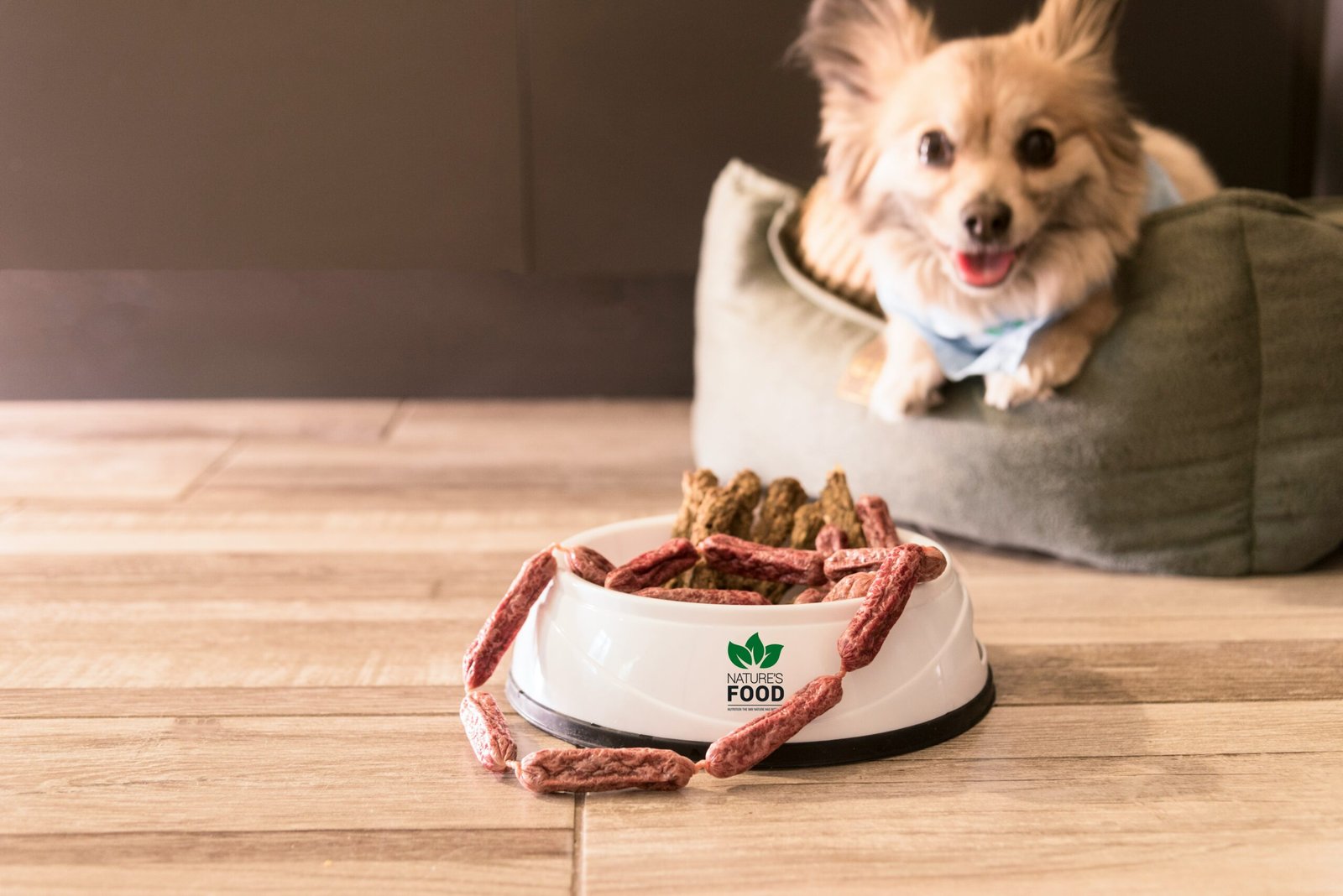
Freeze-dried raw dog food starts as raw meat, organs, and often bone, combined with vegetables and sometimes supplements. The raw mixture is then placed into a vacuum chamber at very low temperatures. The moisture inside the food is removed through a process called sublimation, where ice converts directly to vapor without passing through a liquid phase. The result is a shelf-stable product that looks and feels dry but has not been cooked.
This matters because cooking changes food. High heat denatures proteins, destroys enzymes, and reduces the availability of certain vitamins and minerals. The freeze-drying process avoids all of that. The cellular structure of the ingredients stays largely intact. What you get is essentially raw food with the water removed.
This is the key difference between freeze-dried raw dog food and kibble. Kibble is extruded under high pressure and heat, often above 150 degrees Celsius. By the time it reaches the bag, the original ingredients look nothing like what they started as. Freeze-dried food, by contrast, still resembles its source ingredients. You can often see recognisable pieces of meat, vegetables, and organ tissue.
How Freeze-Drying Differs from Dehydrating
People often confuse freeze-dried and dehydrated dog food, but the two processes produce different results. Dehydration uses heat, typically between 60 and 75 degrees Celsius, to evaporate moisture. This is gentler than cooking but still applies enough heat to degrade some nutrients and enzymes.
Freeze-drying never uses heat. The process takes longer and requires more expensive equipment, which is part of why freeze-dried products cost more than dehydrated ones. The payoff is that the nutritional profile stays much closer to the original raw ingredients. Enzymes that aid digestion remain active. Heat-sensitive vitamins like B vitamins and vitamin C are preserved at higher levels.
Both formats are shelf-stable, but they are not nutritionally equivalent. If you are choosing between the two based on nutrition alone, freeze-dried is the stronger option.
For a complete guide on dog health and care: Dog Health and Care: The Complete Guide to Keeping Your Dog Healthy – DogCat-care
The Real Benefits of Freeze-Dried Raw Dog Food
The benefits people report from switching to freeze-dried raw are consistent enough to be worth taking seriously, even though much of the evidence is still observational rather than controlled clinical research.
Nutrient retention. Because no heat is used, the vitamins, minerals, and naturally occurring enzymes in the raw ingredients stay intact. Some research suggests freeze-dried food retains significantly more of certain nutrients compared to cooked or dehydrated alternatives. This means the dog is absorbing more from each gram of food.
Digestibility. Dogs produce digestive enzymes that are specifically suited to breaking down raw protein. Highly processed foods require different enzymatic responses and often put more strain on the digestive system. Owners who switch to freeze-dried raw frequently report firmer stools, less gas, and smaller stool volume. Smaller stool volume is actually a useful indicator because it means more of the food is being absorbed rather than passing through undigested.
Ingredient quality and transparency. Most freeze-dried raw brands use a short, recognisable ingredient list. Muscle meat, organ meat, bone, and vegetables, without the fillers, starches, and synthetic additives that pad out many kibble formulas. When you read the label, you know what you are feeding.
Skin and coat condition. Animal fats in their natural form, not rendered and processed, contain fatty acid profiles that support coat quality and skin health. Many owners notice visible improvement in coat texture and shine within a few weeks of switching.
Palatability. Freeze-dried food is intensely palatable for most dogs. Picky eaters that refuse kibble will often eat freeze-dried with enthusiasm. This makes it particularly useful as a meal topper to improve acceptance of a less exciting base diet.
No artificial preservatives. Because the moisture has been removed, bacteria cannot grow and the food does not require chemical preservatives to remain shelf-stable. The preservation is purely physical.
The Risks and Limitations to Know
Freeze-dried raw dog food is not without drawbacks, and it would not be honest to list the benefits without addressing the risks clearly.
Bacterial contamination. Freeze-drying does not sterilise food. Pathogens like Salmonella and Listeria can survive the process. For most healthy adult dogs this poses minimal risk, as dogs tolerate bacterial loads that would make a human ill. The concern is greater for immunocompromised dogs, puppies, elderly dogs, and for the humans handling the food, particularly those who are pregnant or have weakened immune systems. If this applies to your household, look for brands that use high-pressure processing (HPP), which inactivates pathogens without applying heat. If the brand does not use HPP, handle the food with the same hygiene practices you would apply to raw meat in your kitchen.
Cost. Freeze-dried raw dog food is significantly more expensive than kibble, often three to five times the cost per serving depending on the brand and your dog’s size. For a large dog fed exclusively on freeze-dried food, this becomes a substantial monthly expense. The cost is the main reason many owners use it as a topper or partial replacement rather than a complete diet.
Nutritional completeness. Not all freeze-dried products are complete and balanced meals. Some are designed as toppers, treats, or supplement additions. Always check the label for an AAFCO statement indicating the food meets nutritional requirements for your dog’s life stage. An incomplete product fed as a primary diet will create deficiencies over time.
Rehydration. Many freeze-dried products benefit from rehydration before feeding, particularly for dogs with dental issues, older dogs, or small breeds. Adding warm water restores some of the original moisture content and makes the food easier to chew and digest. Some owners skip this step without problems, but it is worth building into your routine for dogs that need it.
Freeze-Dried Raw as a Meal Topper
One of the most practical ways to use freeze-dried raw dog food is as a topper over kibble rather than as a complete meal replacement. This approach brings some of the nutritional benefits of raw feeding at a fraction of the cost. Two or three tablespoons of freeze-dried raw mixed into a standard kibble meal improves palatability, adds natural enzymes and bioavailable protein, and gives you a middle ground between conventional and raw feeding.
This is particularly useful if you have a dog that is eating poorly, has lost interest in its regular food, or is recovering from illness. The intense palatability of freeze-dried raw tends to re-engage appetite quickly.
If you are thinking about switching fully, start with toppers. Let your dog’s digestive system adjust over two to three weeks before making freeze-dried the main component of the diet. Sudden dietary changes of any kind can cause loose stools and digestive upset, even with high-quality food.
You can find guidance on building a complete feeding routine in the best dog food for every breed and life stage article, which covers how to structure meals across different life stages and activity levels.
How to Choose a Quality Freeze-Dried Raw Brand
The freeze-dried raw market has grown quickly and the quality varies considerably. Here is what to look for before buying.
AAFCO statement. If you are feeding freeze-dried as a complete diet, the label must include an AAFCO nutritional adequacy statement. Without this, you cannot be certain the formula meets baseline nutritional requirements.
Named protein sources. The first ingredients should be specific: chicken, beef, turkey, salmon, and so on. Avoid anything listed as “meat meal” or “animal by-product” without further specification. In freeze-dried raw, the quality of the source protein is the entire point.
High-pressure processing. For households with vulnerable individuals, HPP is worth seeking out. It reduces pathogen risk without compromising the nutritional profile.
Organ inclusion. Organ meats like liver and kidney are among the most nutrient-dense ingredients you can feed a dog. A quality freeze-dried formula will include them in meaningful proportions, not just as trace additions.
Short ingredient list. Ten to fifteen ingredients is typical for a well-formulated freeze-dried raw food. If the list runs to thirty ingredients and includes long chemical names, the product has drifted away from the natural premise it is marketed on.
Is Freeze-Dried Raw Food Right for Your Dog?
Freeze-dried raw dog food is a strong option for most healthy adult dogs. The nutritional case for it is solid. The convenience is real. The palatability tends to be excellent. The main barriers are cost and the bacterial risk for specific populations.
It is a particularly good fit if your dog has digestive sensitivities, a dull coat, poor appetite, or if you have simply been uncomfortable with what goes into standard kibble. You do not have to commit to it as the only food in the bowl. Used as a topper, it improves almost any diet without the full expense of a complete freeze-dried feeding programme.
It is less suited to households with immunocompromised members unless you choose an HPP brand, to very large dogs where the cost becomes prohibitive, and to owners who are not prepared to observe proper food hygiene when handling raw products.
If your dog has existing health conditions, a conversation with your vet before switching is worth having. Most vets are familiar with raw and freeze-dried diets at this point and will give you a useful steer based on your dog’s specific situation.
For dogs managing anxiety or stress, nutrition is one part of a broader picture. If that is something you are working through, the article on how to calm an anxious dog at home covers what else you can do alongside dietary changes.
FAQ
Is freeze-dried raw dog food the same as raw dog food?
Freeze-dried raw dog food starts from raw ingredients and is processed without heat, so it retains the same nutritional profile as raw. The key difference is that the moisture has been removed, making it shelf-stable. Nutritionally, it is very close to fresh raw feeding but far more convenient and safer to store and handle.
Do I need to add water to freeze-dried dog food?
Rehydrating freeze-dried food is recommended but not always required. Adding warm water before serving restores moisture and makes the food easier to chew and digest. It is particularly important for smaller dogs, older dogs with dental issues, and dogs that do not drink enough water on their own.
Is freeze-dried raw dog food safe?
For healthy adult dogs, yes. The freeze-drying process removes moisture and significantly slows bacterial activity, but it does not eliminate all pathogens. Brands that use high-pressure processing offer an additional safety layer. Standard food hygiene applies: wash hands after handling, clean bowls thoroughly, and do not leave rehydrated food sitting out for extended periods.
Can puppies eat freeze-dried raw dog food?
Puppies can eat freeze-dried raw food, but it must be a formula specifically designed for puppies or labelled as suitable for all life stages. Puppies have higher requirements for calcium, phosphorus, and certain vitamins than adult dogs. A formula designed for adults will not meet those needs. Because puppies also have less mature immune systems, choosing an HPP brand is a sensible precaution.
Why is freeze-dried raw dog food so expensive?
The freeze-drying process uses specialised equipment, runs slowly, and starts from high-quality raw ingredients rather than rendered meal. These factors push the cost well above kibble. You are essentially paying for minimal processing and higher ingredient quality. Many owners offset the cost by using freeze-dried as a partial addition to a kibble base rather than as a complete standalone diet.
How much freeze-dried raw food should I feed my dog?
Most brands provide feeding guidelines on the packaging based on your dog’s body weight. Follow those as a starting point. Bear in mind that freeze-dried food is more calorie-dense per gram than kibble because the water has been removed. Feeding the same volume you were previously using will likely result in overfeeding. Start with the manufacturer’s recommendation and adjust based on your dog’s weight and condition over a few weeks.
Can freeze-dried raw food help with allergies?
It can help in some cases, particularly when the allergy is to common kibble ingredients like certain grains, fillers, or artificial additives. Many freeze-dried raw formulas are limited-ingredient and grain-free, which removes a number of common allergens from the diet. That said, a protein allergy requires identifying the specific protein trigger, so rotating proteins without guidance can complicate rather than resolve an allergy issue. Work with your vet if you suspect a food allergy.
Final Thoughts
Freeze-dried raw dog food is one of the clearest examples of better nutrition being available if you are willing to look past conventional kibble. It starts from real ingredients, processes them gently, and delivers a nutrient profile that heavily processed food simply cannot match. The cost is the honest limitation. For most households, using it as a topper or partial component of the diet is the practical entry point.
If you believe, as I do, that natural and minimally processed food is better for long-term health, freeze-dried raw is the most accessible way to put that into practice without the complexity and food safety demands of a full fresh raw feeding programme. Start small, watch how your dog responds, and let the results guide how far you take it.
Sources
- https://www.dogfoodadvisor.com/canine-nutrition/the-complete-guide-to-freeze-dried-raw-dog-food/
- https://www.petmd.com/dog/nutrition/freeze-dried-dog-food-pros-and-cons
- https://www.ncbi.nlm.nih.gov/pmc/articles/PMC8618227/
- https://www.akc.org/expert-advice/nutrition/raw-dog-food-dietary-concerns-benefits-and-risks/
- https://www.merckvetmanual.com/management-and-nutrition/nutrition-small-animals/feeding-practices-for-dogs-and-cats



Pingback: Best Dog Food for Every Breed and Life Stage - DogCat-care
Pingback: Dog Health and Care: The Complete Guide to Keeping Your Dog Healthy - DogCat-care