Introduction
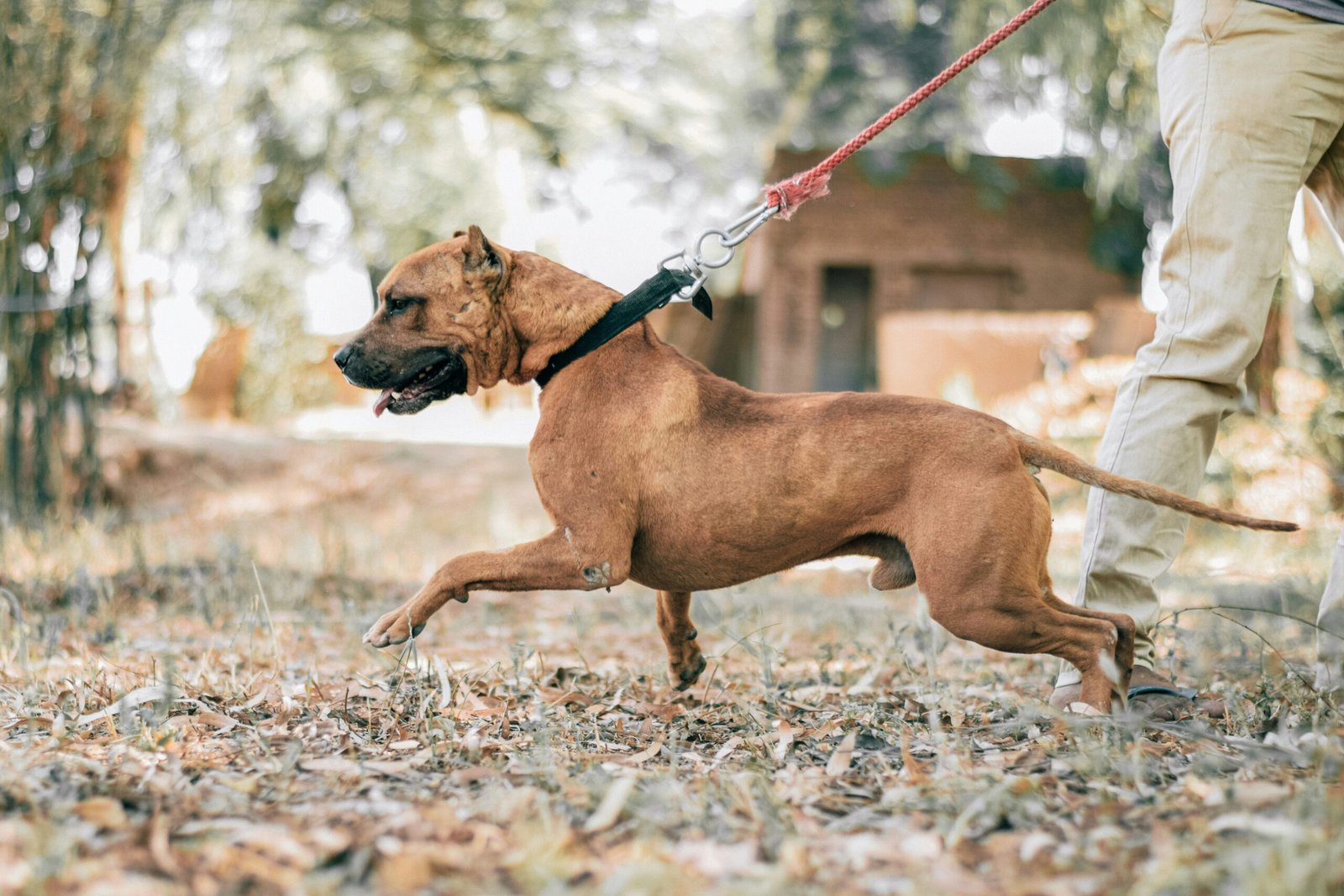
Dog pulling on leash is one of those problems that most owners handle the same way I did: they are stronger than the dog, so they just manage it. The dog pulls, you hold on, the walk continues. It is uncomfortable and frustrating, but it gets you around the block. So nothing really changes.
The problem with that approach is that you are not solving anything. You are just absorbing the problem with your shoulder. The dog learns that pulling works. Every walk where it pulls and still moves forward is a walk that reinforces the behaviour. By the time owners decide to actually address it, they are dealing with a habit that has been practised and rewarded hundreds of times.
The other common pattern is trying everything at once: different techniques, different gear, different commands, inconsistently across different walks. That approach also does not work. Dog pulling on leash is a training problem, and training problems respond to one thing: consistent repetition of the right response, every single time.
This article explains why dogs pull, what makes the problem worse, and what actually fixes it.
By Dogcat-Care.
Table of Contents
Why Dogs Pull on the Leash
Understanding why dog pulling on leash happens is the starting point for fixing it. The behaviour is not stubbornness, dominance, or deliberate disobedience. It is straightforward learning.
Forward movement is the reward. Dogs pull because pulling works. When a dog pulls forward and the owner follows, the dog has just been rewarded for pulling. The world came closer. The interesting smell got reached. The other dog got closer. The behaviour produced the desired outcome, so the dog repeats it. This happens on every single walk where the owner keeps moving while the leash is taut.
Dogs have an opposition reflex. When pressure is applied to a dog’s body in one direction, the body’s natural reflex is to push back against that pressure. This is called the opposition reflex, and it is why pulling the leash back toward you often causes the dog to pull harder in the opposite direction. It is not defiance. It is a physical reflex that owners accidentally trigger when they try to correct pulling by yanking back.
Walks are highly stimulating. The outside world is full of competing interests for a dog: smells, other animals, movement, people, sounds. A dog that has been inside for hours arrives on the street in a heightened state of arousal. That arousal level makes impulse control harder and pulling more likely. The dog is not misbehaving. It is simply overwhelmed with stimulation and has not yet learned to manage that state while on a lead.
No one taught them differently. Most dogs that pull have simply never been taught what the alternative looks like. Loose leash walking is not a natural behaviour. It is a trained one. A dog that pulls has not been trained to walk differently, not that it is incapable of learning.
The Mistakes That Make Dog Pulling on Leash Worse
Most owners make one or more of these mistakes, and each one extends the problem significantly.
Continuing to walk while the leash is tight. This is the most damaging mistake because it directly rewards the pulling. Every step forward while the leash is taut teaches the dog that pulling is how walking works. Owners who do this consistently for months are not failing to train their dog. They are actively training it to pull.
Yanking or pulling back. Pulling back on the leash triggers the opposition reflex and teaches the dog nothing useful. It does not communicate what the correct behaviour looks like. It creates physical tension that makes the dog more aroused, not less. And it can cause injury to the dog’s neck if done repeatedly with a collar.
Inconsistency across walks. Training works through repetition. If you apply the correct response on Monday and Wednesday but let the pulling slide on Tuesday, Thursday, and the weekend, the dog is getting inconsistent information. The behaviour that gets rewarded most often is the one that sticks. If pulling is allowed more often than it is corrected, pulling wins.
Trying different methods simultaneously. Switching between techniques within the same week or even the same walk confuses the dog and slows progress significantly. Pick one approach, apply it consistently for at least two to three weeks, and evaluate whether it is working before making changes.
Starting training in a highly distracting environment. Teaching a dog to walk on a loose leash on a busy street is like teaching someone to drive in rush hour traffic. Start in the lowest-distraction environment available, master the behaviour there, and then gradually introduce more challenging environments.
The Core Principle: Pulling Never Works
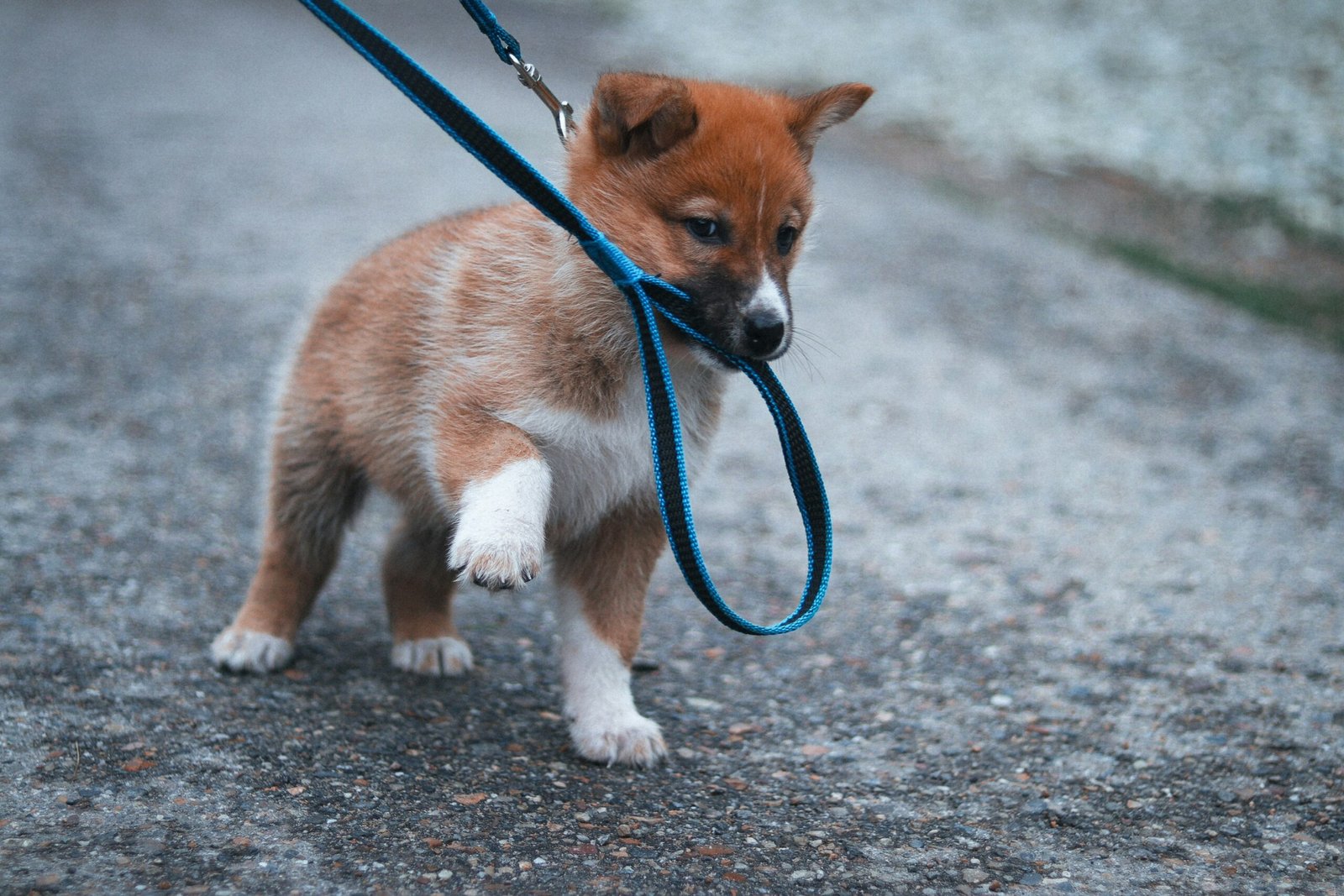
The entire foundation of fixing dog pulling on leash is one rule applied consistently: a tight leash means the walk stops.
When the leash becomes taut, you stop moving. You plant your feet and wait. You do not pull back, you do not yell, you do not do anything except stop. You wait for the leash to go slack, either because the dog slows down, turns back toward you, or releases the tension. The moment the leash goes slack, the walk resumes.
That is it. The dog is learning a single, consistent rule: loose leash means we move forward. Tight leash means we stop.
This method works because it removes the reward for pulling completely. The dog cannot reach the interesting thing at the end of a pull because the walk stops every time it tries. Over time, and it does take time, the dog figures out that loose leash walking is the only strategy that produces forward movement.
The difficulty is consistency. This method requires you to stop every single time the leash becomes taut, on every single walk. Not most of the time. Every time. One walk where the pulling is allowed to continue undoes significant progress.
The Direction Change Method
The direction change method is an alternative or supplement to stopping that many owners find effective because it keeps the walk moving while still removing the reward for pulling.
When the dog pulls forward, you turn and walk in the opposite direction. The dog, which was ahead of you, is now behind you. It has to catch up, and it has to pay attention to where you are going. You are no longer following the dog. The dog is following you.
This method is particularly useful for dogs with high energy that become frustrated by repeated stops. Changing direction keeps them moving while still interrupting the pull-and-reward cycle. It also teaches the dog to monitor your position and direction, which is the basis of good loose leash walking.
The key is making the direction change the moment the leash becomes taut, not after the dog has already been pulling for several steps. Timing is critical in all dog training, and the closer the response is to the behaviour, the clearer the communication.
The Right Gear Makes Training Easier
The right equipment does not replace training, but it makes the training process significantly easier by reducing the physical advantage the dog has and giving you better tools to communicate.
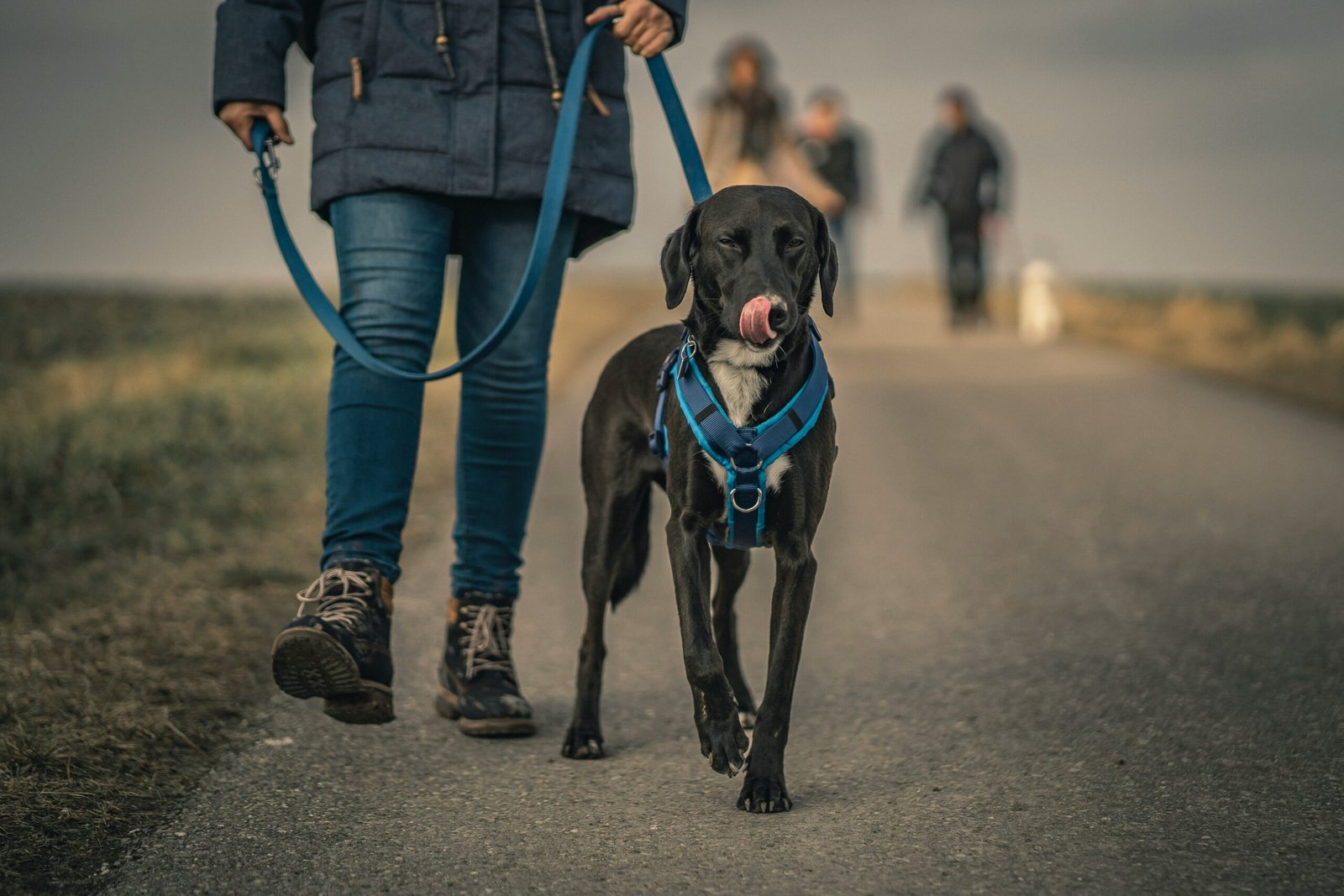
Front-clip harness. A harness with the leash attachment at the chest rather than the back is one of the most effective tools for dogs that pull. When the dog pulls forward, the front clip redirects the momentum back toward you rather than allowing the dog to lean into the pull. It does not stop pulling through pain or discomfort. It changes the physics of pulling so that it is less effective. For a comparison of harness types and what works for different dogs, the guide on best dog collars and harnesses covers the options in detail.
Head collar. A head collar fits around the dog’s muzzle and clips behind the ears. Because it controls the head, it controls the direction of travel. When the dog pulls forward, the head collar turns the head back toward you. It requires a careful introduction period because most dogs initially resist wearing it, but for strong pullers or large breeds it provides significant control during the training period. It is a management tool, not a permanent solution. The goal is still to train the dog to walk on a loose leash independently of the equipment.
Fixed-length leash. Retractable leashes are counterproductive for leash training. They teach the dog that pulling extends the leash and allows more freedom, which is the exact opposite of what you are trying to communicate. A fixed leash of 1.5 to 2 metres gives the dog appropriate freedom while maintaining consistent communication about the boundaries of the walk. The top dog training tools article covers leash options alongside other training equipment worth considering.
Standard flat collar for some dogs. For dogs that pull lightly or are in the early stages of the problem, a well-fitted flat collar with a fixed leash and consistent training is sometimes sufficient. The collar does not need to be a special design if the training foundation is in place.
How to Build Loose Leash Walking Step by Step
Dog pulling on leash does not get fixed in one session. It gets fixed through consistent daily practice built in stages.
Stage one: the garden or a quiet space. Start training in the lowest-distraction environment you have access to. A garden, a quiet car park, or a familiar indoor space. Attach the leash and simply walk. The moment it becomes taut, stop. Wait for slack. Reward the slack with forward movement and, in the early stages, a treat delivered at your side. Keep the sessions short, five to ten minutes, and end on a positive moment.
Stage two: a quiet street or park. Once the dog is reliably maintaining a loose leash in a low-distraction environment, move to a slightly more stimulating one. Expect regression. The dog that walked perfectly in the garden will pull more on the street because the arousal level is higher. Apply the same rule: stop when the leash is taut. Be more generous with treats at this stage because the dog is working harder to maintain the behaviour under more challenging conditions.
Stage three: normal walking environments. As the behaviour becomes consistent in quieter environments, gradually increase the level of distraction. Busy paths, areas with other dogs, routes near traffic. Each new environment is a new training challenge. Progress may feel slower than expected. This is normal and not a sign that the training is not working.
Reward position matters. When rewarding your dog for loose leash walking, deliver the treat at your side at the dog’s head height. This teaches the dog that the rewarding position is next to you, not out in front pulling. If you always reward with your arm extended forward, you are inadvertently teaching the dog to be in front of you rather than beside you.
How Long Does It Take to Fix Dog Pulling on Leash
There is no fixed timeline because it depends on how long the pulling has been practised, how consistent the training is, the dog’s age and breed, and the handler’s timing and technique.
For a young dog with a short pulling history and consistent daily training, meaningful improvement is often visible within two to three weeks. For an adult dog that has been pulling for years, the realistic timeframe is several weeks to a few months of consistent work.
The most reliable predictor of how quickly the problem resolves is consistency. A dog trained every day with the correct response resolves faster than a dog trained inconsistently. An owner who stops every single time the leash is taut produces better results faster than one who stops most of the time.
Progress is not linear. There will be walks where the dog pulls more than usual because something in the environment was particularly exciting. That is not failure. It is a normal part of the learning curve. The trend over weeks is what matters, not individual walk performance.
What to Do About Specific Situations
The dog pulls toward other dogs. This is often a reactivity issue layered on top of the pulling problem. For dogs that pull specifically toward other dogs rather than generally, increasing distance from triggers while training is the first step. Reduce the distance to the trigger gradually as the dog shows it can maintain focus at greater distances. For a broader look at managing anxious or reactive dog behaviour on walks, the article on how to calm an anxious dog at home covers the foundational principles of managing arousal.
The dog pulls at the start of every walk. High arousal at the start of walks is common because the dog has been building anticipation. Practising calm waiting before the walk even begins, sitting before the lead goes on, pausing at the door before stepping out, reduces the arousal level before the walk starts. A calmer starting state makes the first few minutes of the walk significantly easier.
The dog pulls toward smells. Dogs experience the world primarily through their nose. Allowing the dog to sniff specific areas on cue, rather than allowing it to pull toward every interesting smell, teaches the dog that sniffing is a reward available on your terms. Cue the sniff, allow it briefly, then resume walking. This makes you more interesting and rewarding to the dog than the environment.
Large or strong dogs. For dogs whose physical strength makes training genuinely difficult, a front-clip harness or head collar provides enough management to allow the training to happen without injury to you or the dog. The equipment manages the situation while the training addresses the underlying behaviour.
FAQ
Why does my dog only pull with me and not with other people?
Dogs are sensitive to the responses different handlers give them. If another person stops consistently every time the leash is taut and you do not, the dog has learned different rules with different handlers. Consistency across all the people who walk the dog is important for reliable results.
Should I use a prong collar or choke chain to stop pulling?
Aversive tools like prong collars and choke chains apply pain or discomfort to stop pulling. They can suppress the behaviour in the short term but do not teach the dog what the correct behaviour looks like. They also carry a risk of physical injury and can increase stress and reactivity in dogs that are already anxious. Positive-based methods with the right equipment are more effective long term and do not carry these risks.
My dog was fine on the leash as a puppy. Why is it pulling now?
Pulling often increases as dogs grow stronger and more confident. A puppy that was easy to manage becomes a 30 kg adult that pulls hard enough to strain your shoulder. The behaviour is the same. The physical consequences are just more obvious. The training approach is also the same, applied consistently from this point forward.
Is it too late to train an older dog to stop pulling?
No. Older dogs learn more slowly than young ones in some respects, but the same principles apply and produce results with consistent application. The main difference is that an older dog with a long pulling history has a more deeply established habit to change, which means the process takes longer. It is still achievable.
How often should I practise loose leash walking?
Every walk is a training session during the fixing period. Consistency matters more than dedicated training sessions. Short daily walks with the correct response every time produce faster results than occasional dedicated training walks surrounded by regular walks where pulling is allowed.
My dog is fine on the walk but pulls at the very beginning. Is that normal?
Yes. The highest arousal point of most walks is the first few minutes when the environment is newest and the excitement is highest. Start sessions slowly, reward frequently in the first few minutes, and be prepared to stop more often at the beginning. Most dogs settle into a better rhythm once the initial excitement drops.
Final Thoughts
Dog pulling on leash does not resolve itself. It gets worse over time as the habit deepens and the dog gets stronger. The owners who manage it by being stronger than the dog are deferring the problem, not solving it.
The solution is not complicated but it requires one thing most owners find genuinely difficult: consistency. Stopping every single time the leash is taut, on every single walk, with no exceptions. That one rule, applied without interruption, teaches the dog faster than any combination of gear, treats, and techniques applied inconsistently.
Start in a low-distraction environment. Use a front-clip harness if the dog is physically strong. Stop the moment the leash becomes taut. Reward the moment it goes slack. Repeat on every walk. The problem that felt permanent dissolves within weeks when the response is consistent enough.
Dog Training & Behavior: The Complete Guide for Understanding and Improving Your Dog – DogCat-care
Sources
- https://www.akc.org/expert-advice/training/expert-tips-dog-leash-issues/
- https://www.smalldoorvet.com/learning-center/behavior/stop-leash-pulling/
- https://www.aspca.org/pet-care/dog-care/loose-leash-walking
- https://www.pdsa.org.uk/taking-care-of-your-pet/looking-after-your-pet/dogs/loose-lead-walking
- https://bestfriends.org/pet-care-resources/how-stop-dog-pulling-leash

Pingback: Dog Training & Behavior: The Complete Guide for Understanding and Improving Your Dog - DogCat-care
Pingback: Top Dog Training Tools Every Dog Owner Needs in 2026 - DogCat-care
Pingback: Best Dog Collars and Harnesses for Dogs of All Sizes (2026 Guide) - DogCat-care