Introduction
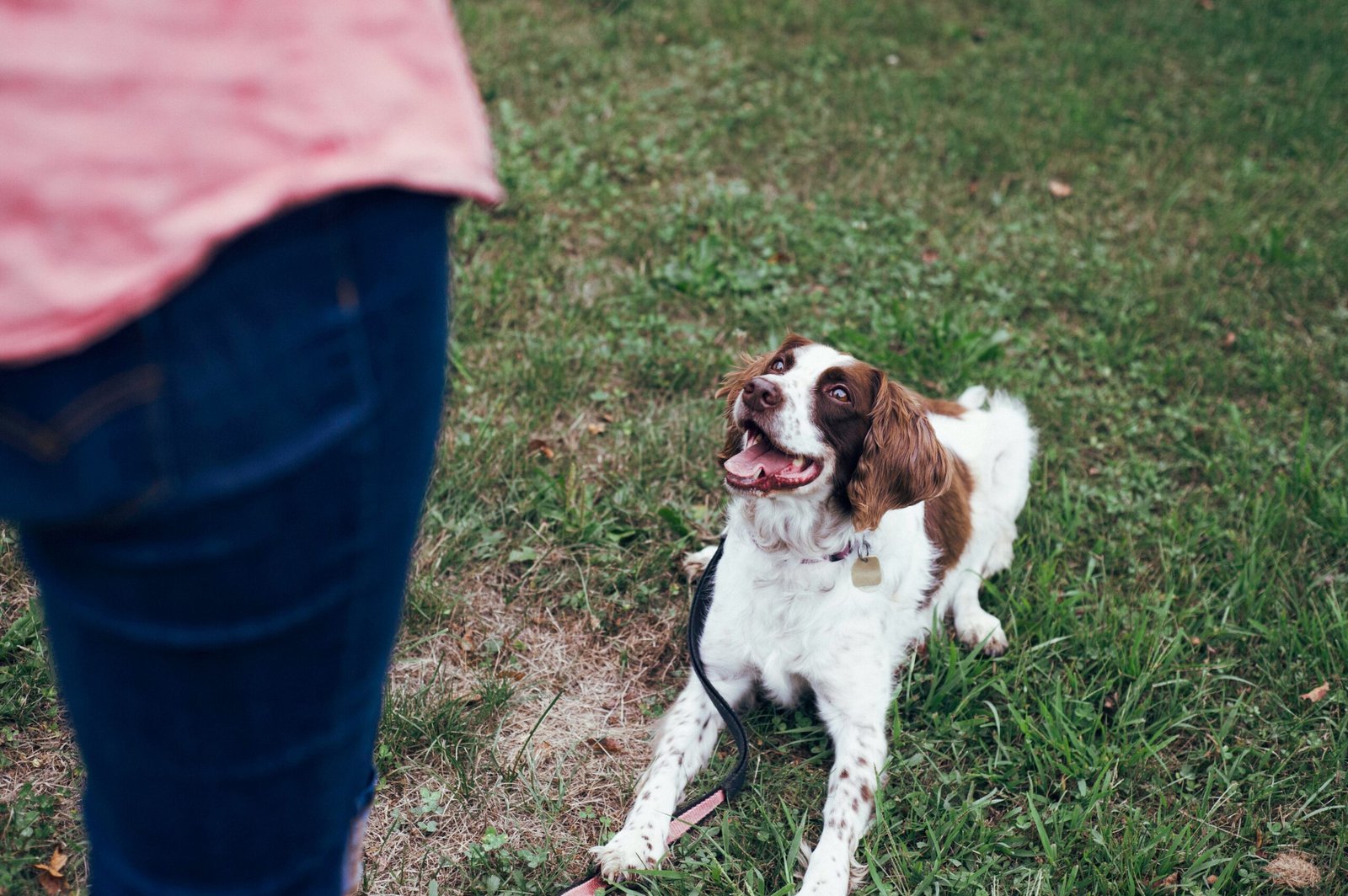
Understanding dog training & behavior is the first step toward building a strong, trusting relationship with your dog. Every dog owner faces challenges — a puppy chewing shoes, a dog that jumps on guests, or a stubborn companion that ignores commands. These behaviors aren’t a sign of failure; they’re signals your dog is trying to communicate.
By learning the fundamentals of dog behavior training tips and dog obedience training, you can address common problems, prevent frustration, and create a happier home for both you and your dog. Whether you’re teaching basic commands, working on socialization, or solving long-standing behavior issues, a clear understanding of how dogs learn and communicate is essential.
In this guide, we’ll explore the core principles of dog training & behavior, discuss solutions to common dog problems, and provide step-by-step strategies that work for beginners and experienced owners alike. By the end, you’ll have a roadmap to improve your dog’s behavior and strengthen the bond you share.
By Dogcat-care.
This post may contain affiliate links. If you buy through these links, I may earn a small commission at no extra cost to you. As an Amazon Associate, I earn from qualifying purchases.
Table of Contents
Why Understanding Dog Behavior Matters
Imagine coming home after a long day, only to find your dog has chewed up a favorite pair of shoes or barked non-stop while you were gone. It’s frustrating, but these behaviors aren’t random — they are your dog trying to communicate. Understanding dog training & behavior is about reading those signals and responding effectively.
Dogs communicate through body language, vocalizations, and actions. Without proper guidance, even a well-meaning dog can develop habits that are hard to manage. Recognizing common dog behavior problems, like excessive barking, chewing, or jumping, is the first step toward creating lasting change.
By learning how dogs think and why they behave a certain way, you can implement dog behavior training tips that actually work. This knowledge helps you:
- Correct unwanted behaviors without stress or punishment
- Strengthen your dog’s obedience through positive reinforcement
- Improve socialization with other pets and people
- Build a more confident and responsive dog
Understanding behavior is not just about fixing problems — it’s about improving communication and creating a stronger bond. When you know why your dog acts a certain way, training becomes easier, more effective, and far more rewarding.
Core Principles of Dog Training & Behavior
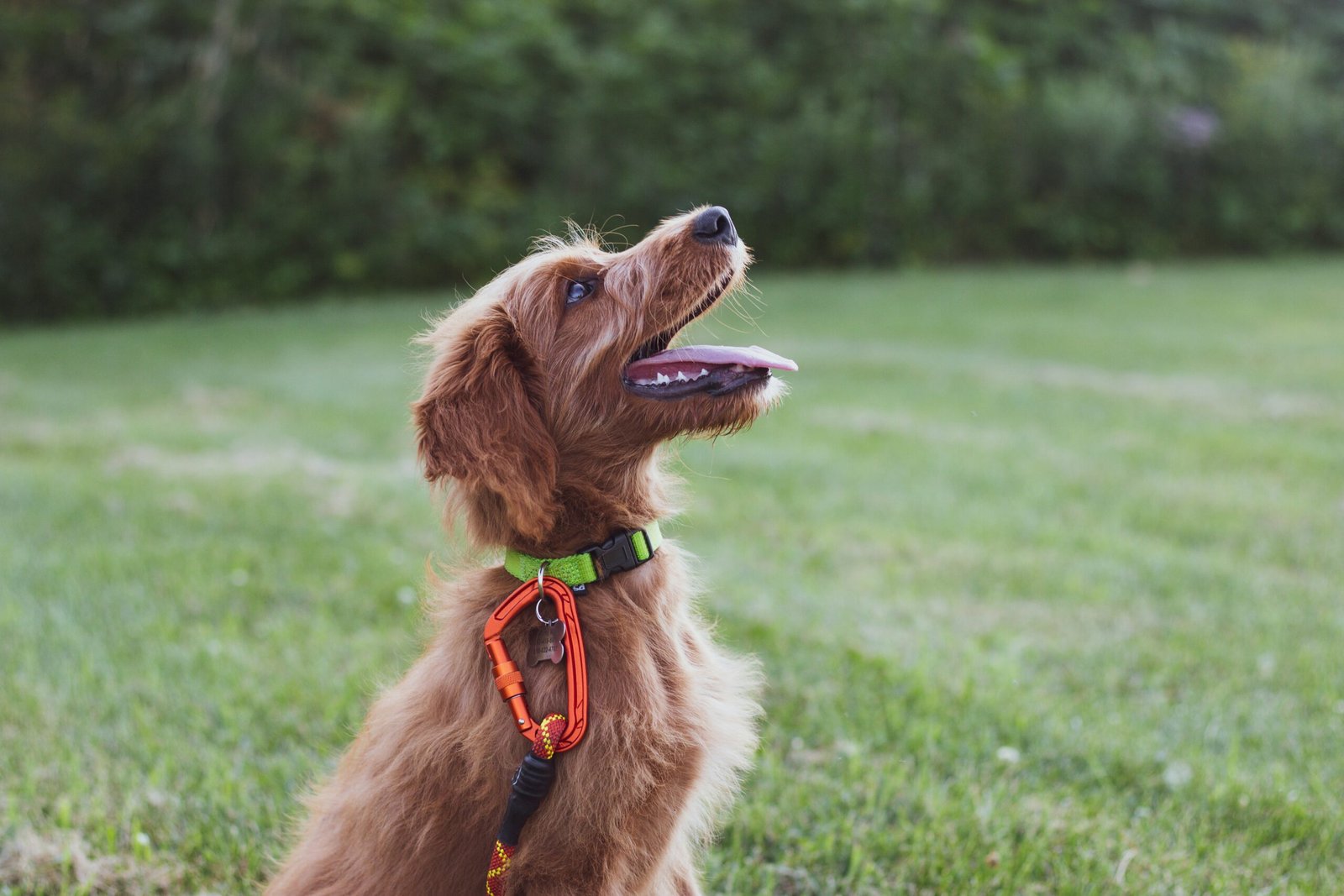
Training a dog isn’t just about commands — it’s about understanding dog training & behavior and applying strategies that build trust, consistency, and lasting results. Effective training relies on positive reinforcement, timing, patience, and reading your dog’s signals rather than force or punishment.
Here are the core principles every dog owner should know:
Positive Reinforcement Training
Dogs learn best when they are rewarded for good behavior. Using treats, praise, or playtime encourages your dog to repeat actions that earn rewards. Positive reinforcement doesn’t just teach obedience — it builds a stronger bond between you and your dog and makes training enjoyable.
Expanded detail: Rewarding behaviors immediately after they happen helps your dog associate the action with the outcome. For example, giving a high-value treat the moment your dog sits ensures they clearly understand the command. Over time, this approach strengthens learning, reduces stress, and encourages voluntary compliance, which is more effective than punishment-based training.
Consistency is Key
Dogs thrive on routine and predictability. Using the same commands, gestures, and rules every day gives your dog a clear understanding of what’s expected. Inconsistent training leads to confusion, slow progress, and sometimes anxiety or frustration.
Expanded detail: Consistency applies to every interaction — from commands during walks to rules at home. For instance, if you allow jumping on the couch sometimes but scold it at other times, your dog won’t understand the expectation. Structured repetition and uniform responses allow your dog to build reliable habits faster.
Timing and Immediate Feedback
Giving rewards or corrections at the exact moment of behavior is critical. Delayed feedback can confuse your dog, making it harder for them to understand what you want.
Expanded detail: Imagine teaching a dog to stay — if you wait until the dog has already moved to give praise, they won’t connect the reward with the correct behavior. Immediate feedback, whether positive or corrective, ensures your dog links the action with the consequence. This principle applies to both reinforcement and gentle corrections.
Understanding Body Language
Dogs communicate mostly through posture, tail position, ears, and eyes. Observing these signals allows you to anticipate reactions, prevent issues, and respond appropriately before unwanted behaviors escalate.
Expanded detail: For example, a stiff body and raised hackles may indicate stress or aggression, while a wagging tail and relaxed posture shows comfort and engagement. Learning to read these cues lets you intervene calmly, redirect behavior, and reinforce positive responses, which prevents problems from becoming habits.
Patience and Realistic Expectations
Training takes time. Even with the right strategies, dogs don’t learn overnight. Patience ensures a calm, supportive environment and helps your dog stay confident throughout the process.
Expanded detail: Set small, achievable goals for each training session. For example, a puppy might master “sit” in one week but take several weeks to reliably stay for longer periods. Respecting your dog’s learning pace reduces stress, prevents frustration, and encourages consistent progress.
Integrating Core Principles
The best results come from combining these principles with observation, structured routines, and appropriate tools. This holistic approach allows you to manage behavior proactively and reinforce obedience consistently.
Expanded detail: Using a combination of positive reinforcement, consistent rules, timely feedback, and careful reading of your dog’s body language creates a strong foundation for all types of training. It ensures long-term behavior improvement, stronger communication, and a happier, more confident dog.
Top Dog training tools every dog owners needs.
Common Dog Behavior Problems and How to Solve Them
Every dog owner encounters behavioral challenges at some point. Understanding the cause of these behaviors and addressing them with consistent training is key to improving your dog’s obedience and overall well-being.
Excessive Barking: Why Dogs Bark and How to Manage It
Barking is a natural way dogs communicate, but excessive barking can become disruptive. Dogs often bark due to boredom, anxiety, territorial instincts, or attention-seeking.
Expanded detail: Start by identifying the trigger — is your dog barking at passing strangers, other dogs, or when left alone? Use positive reinforcement to reward quiet behavior, gradually desensitize your dog to triggers, and provide mental stimulation to prevent boredom. Avoid punishment-based methods, which can increase stress and worsen the behavior over time.
Chewing and Destructive Behavior: Redirecting Natural Instincts
Chewing is common, especially in puppies, and often stems from teething, curiosity, or boredom. Adult dogs may also chew when stressed or under-stimulated.
Expanded detail: Provide appropriate chew toys and rotate them to maintain interest. Consistently redirect unwanted chewing and reward your dog when they use acceptable items. Structured playtime and training sessions help channel energy into positive behaviors, reducing destructive habits.
Jumping on People: Teaching Respectful Greetings
Many dogs jump on people out of excitement or a desire for attention. While it may seem harmless, it can be intimidating or unsafe for visitors.
Expanded detail: Train your dog to greet calmly by teaching “sit” or “stay” at the door. Reward calm behavior consistently and ignore jumping. Over time, your dog learns that polite greetings lead to positive interactions, creating better social habits.
Pulling on the Leash: Building Control and Enjoyable Walks
Leash pulling is one of the most common frustrations for dog owners. It’s often caused by excitement, lack of training, or the dog’s natural desire to explore. Dog Pulling on Leash: Why It Happens and How to Stop It
Expanded detail: Use a no-pull harness or a properly sized training leash to guide your dog gently. Pair it with positive reinforcement when your dog walks calmly beside you. Gradually increase distractions to teach focus, ensuring walks are enjoyable for both you and your dog.
Aggression or Resource Guarding: Identifying Triggers and Preventing Conflict
Aggression can arise from fear, territorial instincts, or guarding resources like food or toys. This behavior requires careful management and professional guidance if severe.
Expanded detail: Identify triggers and manage interactions proactively. Reward calm behavior, use structured training to desensitize your dog, and never use force-based corrections. Consistency, positive reinforcement, and understanding your dog’s body language are critical to resolving these issues safely.
Anxiety and Fear-Based Behaviors: Helping Dogs Feel Secure
Dogs can develop anxiety due to separation, new environments, or past trauma. Symptoms include pacing, whining, destructive behavior, or avoidance.
Expanded detail: Create predictable routines, provide safe spaces, and use gradual desensitization to reduce stress. Positive reinforcement for calm behavior and mental stimulation can help your dog feel secure. In some cases, consulting a professional trainer or behaviorist is beneficial.
Socialization and Environmental Training
Proper socialization is a cornerstone of good behavior. Dogs that are exposed to a variety of people, pets, and environments from an early age are generally more confident, less anxious, and easier to train. Socialization isn’t just for puppies — adult dogs can benefit from gradual, controlled exposure to new experiences as well.
Introducing your dog to new sights, sounds, and smells in a positive way helps them learn to navigate the world calmly. Walks in busy areas, supervised interactions with other dogs, and meeting different people all teach important lessons about how to respond appropriately. Environmental training, such as teaching your dog to remain calm in different rooms of the house or during car rides, reinforces adaptability and reduces stress. Consistently rewarding calm and appropriate responses strengthens these behaviors, making your dog more confident in everyday situations.
Why it works: Early and consistent socialization teaches dogs that new experiences are safe, builds confidence, and reduces the likelihood of fear-based or aggressive behaviors, creating a well-rounded, obedient companion.
Step-by-Step Training Plan for Owners
A structured, step-by-step approach is the most effective way to improve your dog’s behavior and build obedience. Follow these steps to create consistent routines and measurable progress:
Step 1: Establish Clear Rules and Expectations
Decide on the rules for your dog at home and during walks. For example, define whether your dog is allowed on furniture, how they greet visitors, and leash behavior. Consistency among all family members is essential to prevent confusion.
Step 2: Teach Basic Commands First
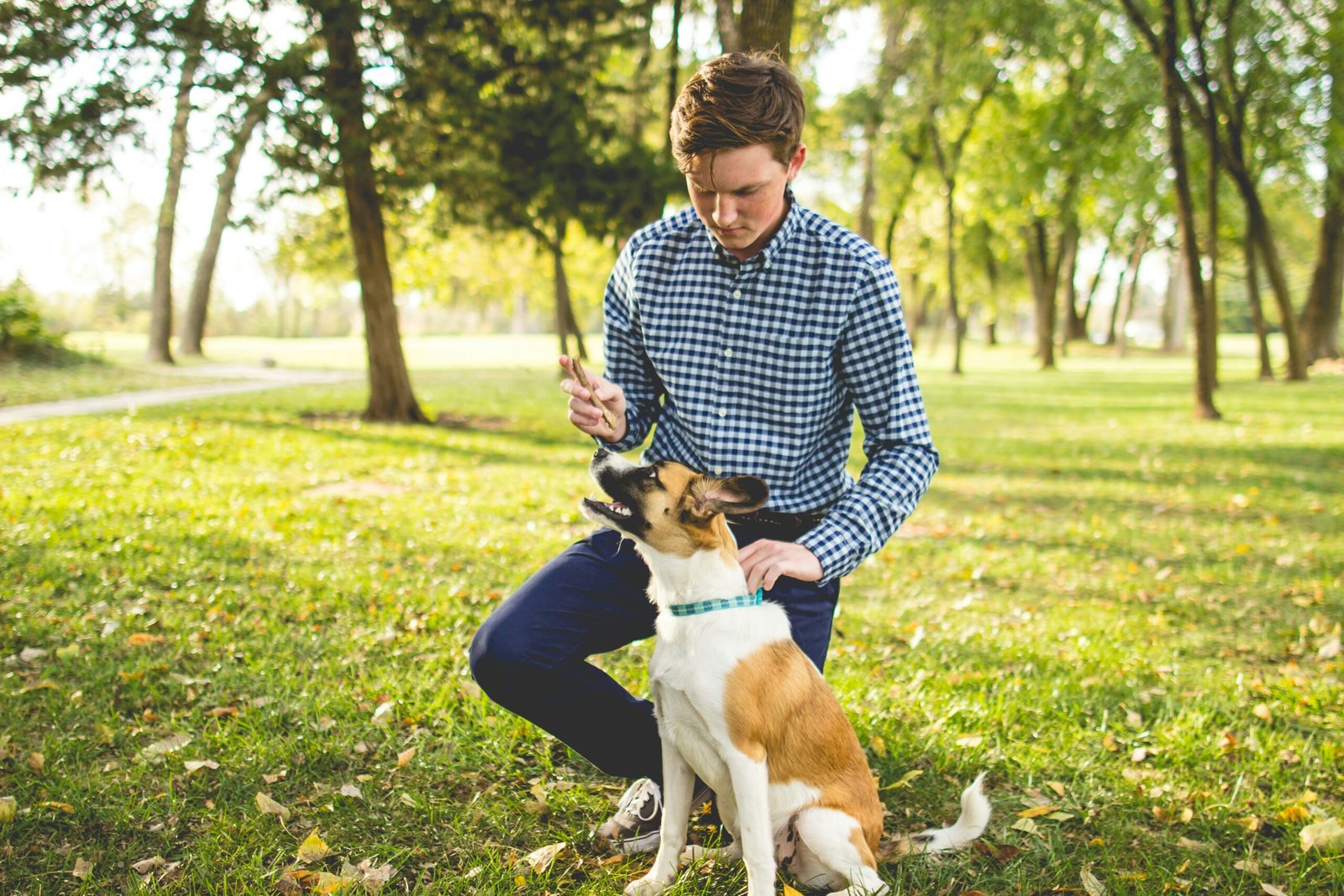
Start with simple commands like sit, stay, come, and down. Use treats, praise, or play as rewards. Keep sessions short—5 to 15 minutes—so your dog remains focused and engaged. Repeat these commands multiple times daily in different settings.
Step 3: Introduce Leash Training
Once basic commands are established, practice walking on a leash without pulling. Use a no-pull harness if needed, and reward your dog for staying at your side. Gradually increase distractions and new environments to reinforce good leash manners.
Step 4: Socialization and Environmental Exposure
Expose your dog to new people, pets, and environments in a controlled, positive way. Reward calm behavior during introductions to other dogs, strangers, or busy streets. For shy or reactive dogs, go slow and give plenty of praise for confident behavior.
Step 5: Address Specific Behavioral Issues
Identify any problem behaviors—barking, chewing, jumping, or anxiety—and apply consistent correction and redirection strategies. For example, redirect chewing to appropriate toys, reward calm greetings instead of jumping, and gradually desensitize triggers that cause anxiety.
Step 6: Mental and Physical Stimulation
Incorporate interactive toys, puzzle feeders, and structured play sessions to challenge your dog’s mind and body. A well-stimulated dog is less likely to develop unwanted behaviors and more receptive to training.
Step 7: Review and Adjust Weekly
Every week, review your dog’s progress. Reinforce commands that are mastered, revisit areas that need improvement, and adjust your training plan as your dog grows and learns new skills. Celebrate small wins to keep both you and your dog motivated.
Why it works: Following a step-by-step plan ensures training is structured, consistent, and progressive. Dogs learn best when commands are clear, expectations are consistent, and learning is paired with positive reinforcement, resulting in a more obedient, confident, and well-behaved companion.
FAQ
What Is the Most Effective Approach to Dog Training & Behavior?
The most effective approach combines positive reinforcement, consistency, and clear communication. Rewarding good behavior and providing immediate feedback helps your dog understand expectations without fear or confusion. Training should be gradual, structured, and paired with mental and physical stimulation for best results.
How Can I Correct Common Dog Behavior Problems at Home?
Common problems like barking, chewing, jumping, and leash pulling can be addressed through consistent routines and positive reinforcement. Identify triggers, redirect unwanted behavior to acceptable alternatives, and reward calm, obedient responses. Gradual exposure and structured training prevent behaviors from becoming ingrained.
How Important Is Socialization for Dog Behavior?
Socialization is critical at all stages of a dog’s life. Exposing your dog to different people, pets, environments, and situations helps reduce anxiety, prevent aggression, and encourage confident, well-adjusted behavior. Positive experiences during socialization teach your dog how to respond calmly to new challenges.
Can Adult Dogs Learn New Behaviors as Easily as Puppies?
Yes. While puppies may learn basic commands faster, adult dogs can successfully learn new behaviors with patience, consistency, and reinforcement. The key is to adjust the pace and ensure training sessions remain positive, structured, and rewarding.
How Often Should I Train My Dog Each Day?
Short, frequent sessions are most effective. Aim for 10–15 minutes, 2–4 times a day, depending on your dog’s age, breed, and attention span. Frequent practice reinforces learning, while keeping sessions short prevents fatigue and frustration.
When Should I Consult a Professional Dog Trainer or Behaviorist?
If your dog displays severe aggression, persistent anxiety, or behaviors that are difficult to manage despite consistent training, consult a certified professional. Trainers or behaviorists can provide expert guidance, personalized strategies, and advanced techniques to address complex behavioral challenges safely.
Final Thoughts
Understanding dog training & behavior is the foundation for a happy, well-adjusted dog and a strong bond between you and your pet. Training isn’t just about obedience; it’s about communication, consistency, and building trust. By applying the principles of positive reinforcement, clear commands, and structured routines, you can guide your dog toward desirable behaviors while reducing stress and frustration for both of you.
Behavioral challenges are part of dog ownership, but with patience and the right approach, even common issues like barking, chewing, or leash pulling can be managed effectively. Socialization, mental stimulation, and gradual exposure to new experiences further strengthen your dog’s confidence and adaptability.
Every dog is unique, and progress may take time, but following a step-by-step plan ensures consistent improvement. The knowledge and strategies you implement today create a foundation for lifelong learning, a well-behaved companion, and a deeper, more rewarding relationship with your dog.
Why it works: Applying evidence-based training principles consistently, combined with understanding your dog’s natural behavior, fosters obedience, confidence, and a stronger human-dog bond that lasts a lifetime.


Pingback: Top Dog Training Tools Every Dog Owner Needs in 2026 - DogCat-care