Introduction
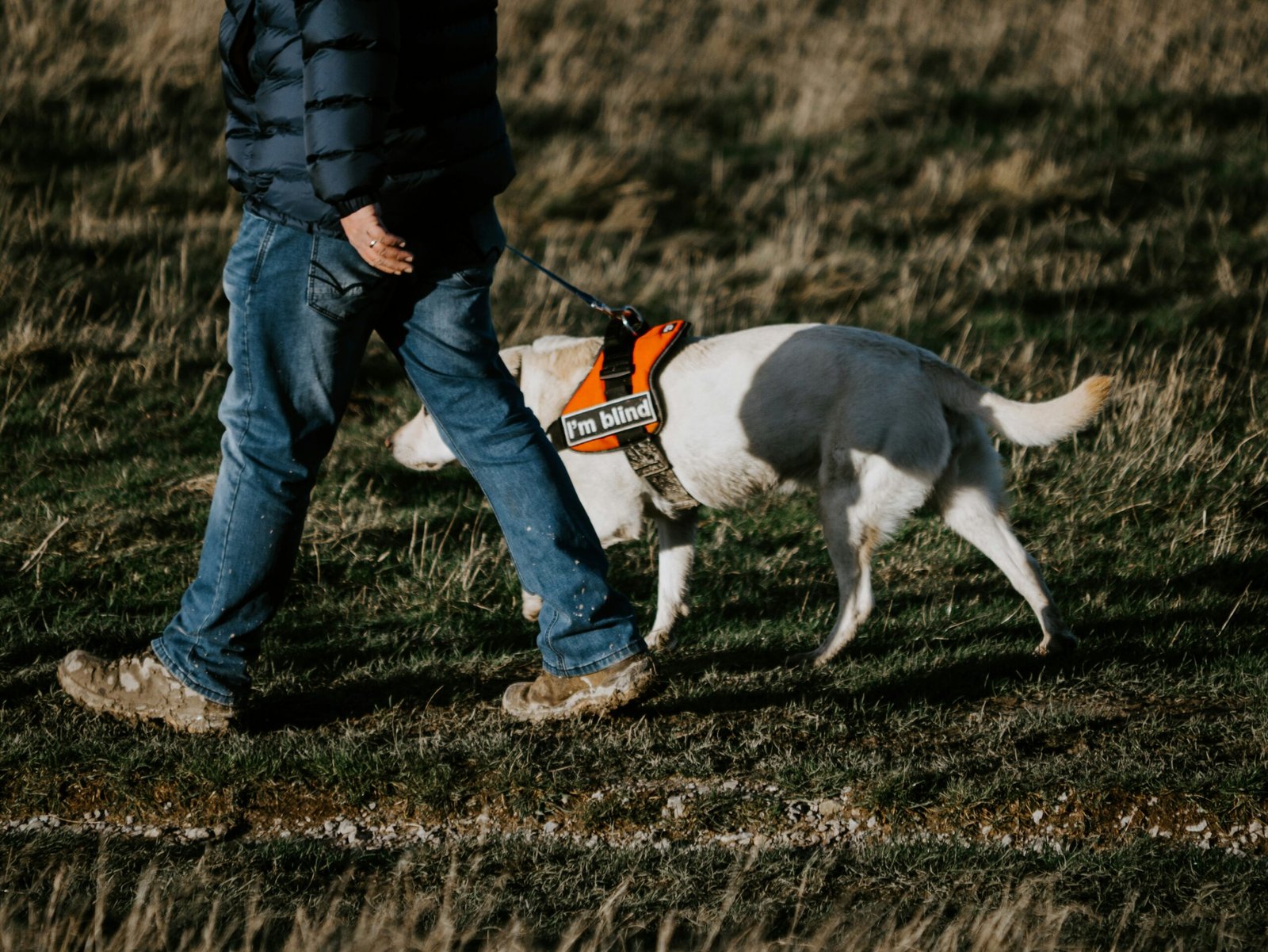
Best dog collars and harnesses are essential tools for safe and comfortable walks with your dog. Whether you have a small puppy or a large active breed, the right collar or harness can make a big difference in control, safety, and your dog’s overall comfort.
Many dog owners notice problems during walks—pulling on the leash, collars slipping off, or dogs becoming uncomfortable with pressure on their neck. Choosing the right equipment helps prevent these issues and makes daily walks more enjoyable for both you and your dog.
Harnesses are often designed to distribute pressure across a dog’s chest and shoulders, while collars are commonly used for identification and everyday wear. Because dogs come in many shapes and sizes, finding the best dog collars and harnesses means choosing options that fit properly and suit your dog’s walking habits.
In this guide, we’ll explore how to choose the right collar or harness and review some of the best dog collars and harnesses for dogs of all sizes.
By Dogcat-care.
This post may contain affiliate links. If you buy through these links, I may earn a small commission at no extra cost to you. As an Amazon Associate, I earn from qualifying purchases.
Table of Contents
Collar vs Harness: Which Is Better for Your Dog?
Before choosing the best dog collars and harnesses, it helps to understand the difference between these two common options. Both collars and harnesses serve useful purposes, but they work in different ways depending on your dog’s size, behavior, and walking habits.
Dog Collars
Collars are the most traditional option and are commonly used for everyday wear. Many dog owners keep a collar on their dog throughout the day because it provides a convenient place to attach ID tags and licenses.
Benefits of collars include:
- Simple and easy to use
- Lightweight and comfortable for everyday wear
- Ideal for holding identification tags
Collars work well for dogs that walk calmly on a leash and do not pull strongly.
Dog Harnesses
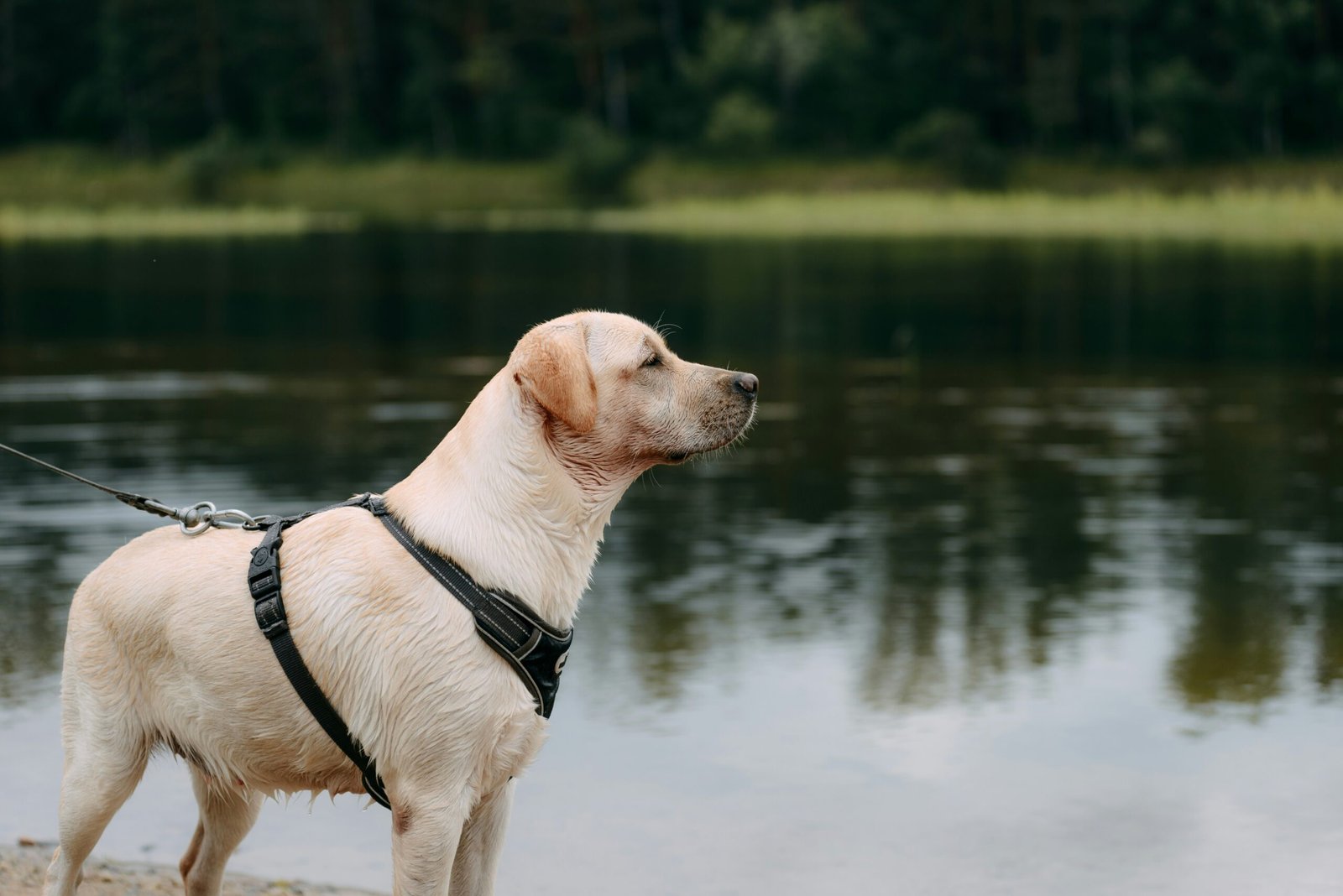
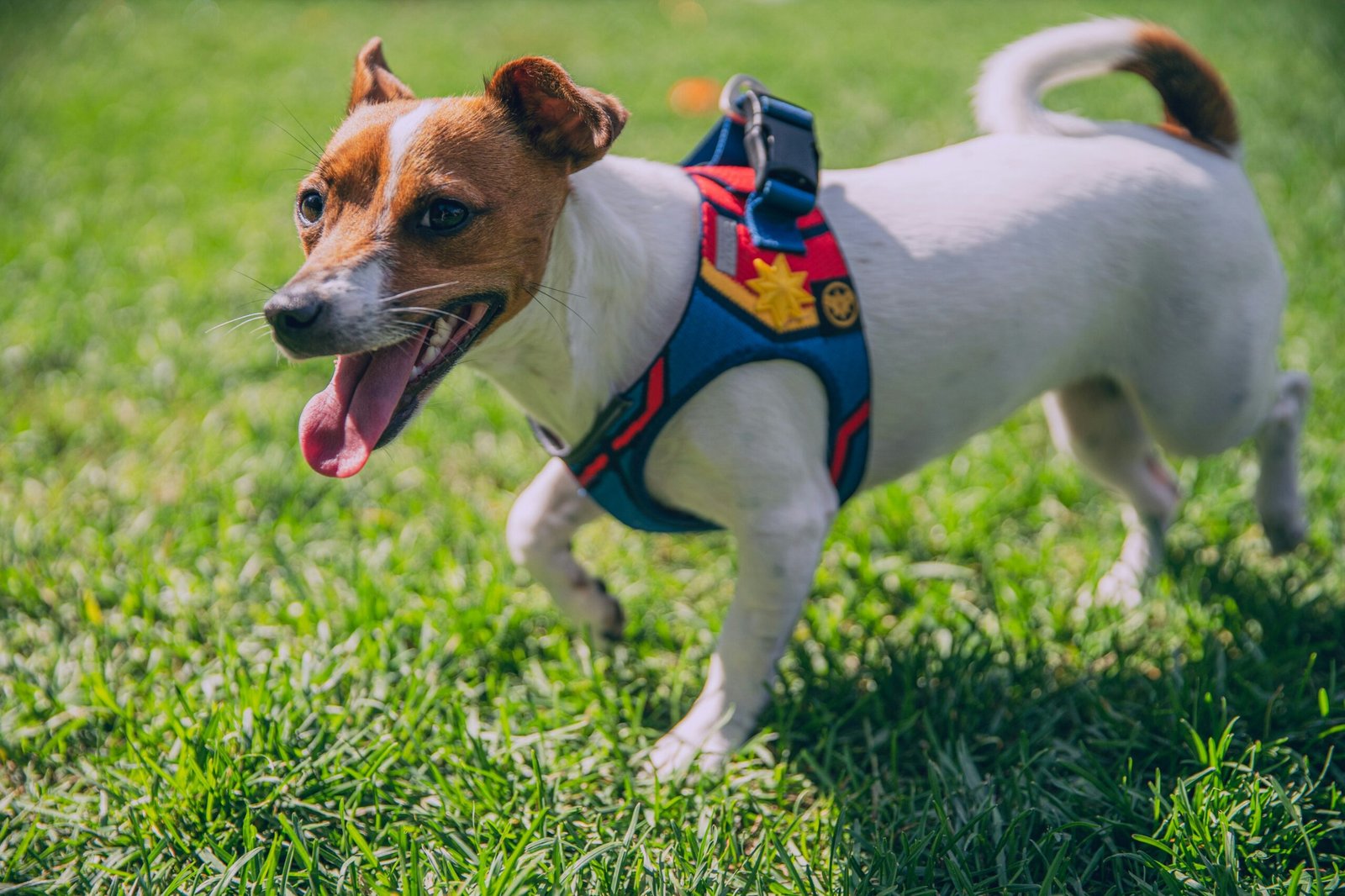
Harnesses wrap around a dog’s chest and shoulders instead of placing pressure on the neck. This design helps distribute leash pressure across the body, which can make walks safer and more comfortable.
Benefits of harnesses include:
- Better control during walks
- Less pressure on the neck and throat
- Helpful for dogs that pull on the leash
Many trainers recommend harnesses for puppies, small dogs, or breeds that tend to pull while walking.
When to Use Both
In many cases, dog owners use both a collar and a harness. The collar can hold identification tags, while the harness is used during walks for better control.
Choosing between them often depends on your dog’s behavior, size, and comfort level during walks.
Dog Gear & Accessories Made Simple: Top Picks for Every Breed and Size – DogCat-care
Best Dog Collars and Harnesses (Top Picks)
Choosing the best dog collars and harnesses can make walks safer and more comfortable for both you and your dog. While collars are commonly used for identification and everyday wear, harnesses are often preferred for walking because they distribute pressure across the chest instead of the neck.
Below are some reliable options that work well for dogs of different sizes and activity levels.
PetSafe Easy Walk Dog Harness
The PetSafe Easy Walk harness is widely recommended for dogs that tend to pull during walks. It uses a front-clip design that gently redirects the dog toward the owner when pulling occurs.
Key features:
- Front-clip leash attachment to reduce pulling
- Lightweight nylon design
- Adjustable straps for different dog sizes
This harness helps improve control during walks while reducing strain on a dog’s neck.
Best for: dogs that pull on the leash
Julius-K9 IDC Powerharness
The Julius-K9 IDC Powerharness is known for its strong and durable construction. It is often used for larger or more active dogs that need extra control during walks.
Key features:
- Heavy-duty materials
- Adjustable straps for a secure fit
- Back handle for additional control
Because of its sturdy design, this harness is a popular choice for active dogs and outdoor activities.
Best for: large or strong dogs
Hurtta Weekend Warrior Harness
The Hurtta Weekend Warrior harness is designed for comfort during longer walks or outdoor adventures.
Key features:
- Soft padded chest support
- Reflective details for better visibility
- Adjustable fit for different dog sizes
Many dog owners choose this harness because it provides extra comfort for dogs during extended walks.
Best for: active dogs and outdoor walks
Zee.Dog Adjustable Dog Collar
Zee.Dog collars are known for their stylish designs and durable materials. They are commonly used as everyday collars for holding identification tags.
Key features:
- Adjustable sizing
- Strong buckle and metal D-ring
- Lightweight and comfortable design
This collar works well for daily wear while a harness can be used during walks.
Best for: everyday wear and identification tags
OneTigris Tactical Dog Collar
The OneTigris tactical collar is designed for durability and control. It is often used for training sessions or for stronger dogs.
Key features:
- Heavy-duty nylon construction
- Strong metal buckle
- Built-in handle for extra control
Because of its durable design, this collar is often used for training or working dogs.
Best for: training and strong dogs
Dog Collars & Harnesses Comparison
When choosing the best dog collars and harnesses, comparing a few key features can help you decide which option fits your dog’s size, strength, and walking habits. Some products focus on control and training, while others prioritize comfort and everyday use.
| Product | Type | Key Feature | Best For |
|---|---|---|---|
| PetSafe Easy Walk Harness | Harness | Front-clip design to reduce pulling | Dogs that pull |
| Julius-K9 IDC Powerharness | Harness | Durable heavy-duty design | Large or strong dogs |
| Hurtta Weekend Warrior Harness | Harness | Padded chest support | Active dogs and long walks |
| Zee.Dog Adjustable Collar | Collar | Lightweight everyday collar | Daily wear and ID tags |
| OneTigris Tactical Collar | Collar | Heavy-duty nylon with handle | Training or strong dogs |
Harnesses are often recommended for walking because they distribute pressure across the dog’s chest and shoulders instead of the neck. This can help prevent strain and provide better control during walks.
Collars, on the other hand, are typically used for identification tags and everyday wear, while harnesses are used during walks for better safety and comfort.
Choosing the right option depends on your dog’s size, behavior on the leash, and how much control you need during walks.
How to Choose the Right Collar or Harness
Choosing the best dog collars and harnesses depends on your dog’s size, behavior, and daily activities. The right option should be comfortable, secure, and appropriate for how your dog behaves during walks.
Consider Your Dog’s Size
Dogs come in many shapes and sizes, so choosing the correct size is essential. Small dogs often need lightweight collars or soft harnesses, while larger breeds may require stronger materials and wider straps for better support.
Many harnesses and collars come in multiple adjustable sizes, which helps ensure a secure and comfortable fit.
Think About Your Dog’s Walking Behavior
Your dog’s behavior during walks can also help determine the best option. Dog Pulling on Leash: Why It Happens and How to Stop It
- Dogs that pull on the leash may benefit from a no-pull harness.
- Calm dogs that walk comfortably on a leash may do well with a simple collar.
- Active or energetic dogs may need a durable harness for better control.
Look for Adjustable Designs
Adjustable straps are important because they allow the harness or collar to fit properly without being too tight or too loose. A proper fit helps prevent slipping and keeps your dog comfortable during walks.
Choose Comfortable Materials
Soft materials like padded nylon or breathable mesh can help prevent irritation during longer walks. Comfortable materials are especially important for dogs that wear their harness frequently.
By choosing the right size, design, and materials, you can find the best dog collars and harnesses that provide comfort, safety, and better control during walks.
Tips for Proper Fit and Safety
Even the best dog collars and harnesses won’t work well if they don’t fit properly. A good fit keeps your dog comfortable and helps prevent the collar or harness from slipping off during walks.
Use the Two-Finger Rule
A simple way to check the fit of a collar or harness is the two-finger rule. You should be able to slide two fingers comfortably between the collar or harness and your dog’s body.
If it’s too tight, it may cause discomfort. If it’s too loose, your dog may be able to slip out.
Measure Your Dog Before Buying
Most harnesses require two measurements:
- Neck circumference
- Chest circumference
Using these measurements helps ensure the harness fits correctly, especially for dogs with unique body shapes.
Check the Fit Regularly
Dogs can gain or lose weight over time, and puppies grow quickly. It’s a good idea to check the fit of collars and harnesses regularly and adjust the straps if needed.
Avoid Excessive Pressure on the Neck
For dogs that pull on the leash, a harness is often a better option than a collar because it spreads pressure across the chest and shoulders rather than the neck.
Proper fit and regular checks help ensure the best dog collars and harnesses remain safe and comfortable for your dog.
FAQ: Dog Collars & Harnesses
Is a harness better than a collar for dogs?
In many situations, a harness can be better for walking because it distributes pressure across the dog’s chest instead of the neck. This can provide better control and reduce strain on the throat. However, collars are still commonly used for identification tags and everyday wear.
What type of harness stops dogs from pulling?
No-pull harnesses with a front-clip leash attachment are often used to reduce pulling. These designs gently redirect the dog toward the owner when they pull, making walks easier to manage.
Should large dogs wear harnesses?
Many large dog owners prefer harnesses because they provide better control during walks. A well-fitted harness can help distribute pressure across the dog’s body rather than concentrating it on the neck.
Can dogs wear collars all the time?
Many dogs wear collars throughout the day because they hold identification tags. However, the collar should fit properly and not be too tight. It’s also important to check the fit regularly to ensure comfort.
How tight should a dog harness be?
A properly fitted harness should allow you to slide two fingers between the harness and your dog’s body. This ensures the harness is secure without being too tight.
Is a collar or harness better for small dogs?
Harnesses are often recommended for small dogs because their necks can be more sensitive to pressure. A harness helps distribute leash pressure more evenly across the chest.
Final Thoughts
Choosing the best dog collars and harnesses can make a big difference in your dog’s comfort and safety during daily walks. The right equipment helps provide better control while also preventing unnecessary pressure on your dog’s neck.
Collars are commonly used for everyday wear and identification tags, while harnesses are often preferred for walking, especially for dogs that pull or need extra control. Many dog owners find that using both—a collar for ID and a harness for walks—offers the best balance.
Options like the PetSafe Easy Walk Harness, Julius-K9 IDC Powerharness, and Hurtta Weekend Warrior Harness are popular because they combine durability, comfort, and reliable control for dogs of different sizes.
You can check current prices and customer reviews on Amazon to find the collar or harness that best fits your dog.
With the right fit and proper use, the best dog collars and harnesses can help make walks safer, more comfortable, and more enjoyable for both you and your dog.
Sources
https://www.akc.org
https://www.petmd.com
https://www.avma.org
https://www.vcahospitals.com

Pingback: Dog Gear & Accessories Made Simple: Top Picks for Every Breed and Size - DogCat-care
Pingback: Dog Pulling on Leash: Why It Happens and How to Stop It