Introduction
Is your cat not eating? It rarely comes out of nowhere. That is the thing most owners miss. By the time a cat is visibly refusing food, something has usually been building for a while, whether that is low-grade discomfort, growing stress, or the early stages of an illness the cat has been quietly managing. Cats are good at hiding that something is wrong. A drop in appetite is often the first signal that actually breaks through.
This matters because cats have a specific metabolic vulnerability that other pets do not share. When they stop eating, even for a few days, the consequences can escalate quickly. Understanding why your cat is not eating, and how to respond, is genuinely important.
By Dogcat-Care.
Table of Contents
Why Cats Stop Eating: The Main Causes
Loss of appetite in cats is a symptom, not a diagnosis. The cause can range from something minor to something serious, and the only way to know which is to look at the full picture.
Illness. This is the most common underlying reason. A wide range of conditions can suppress appetite: kidney disease, liver disease, pancreatitis, gastrointestinal problems, respiratory infections, cancer, and more. The appetite loss is often the visible sign of something the cat has been experiencing internally for longer than the owner realises. If your cat has stopped eating and you cannot identify an obvious environmental or dietary reason, illness should be your first consideration.
Dental and oral pain. Eating hurts when a cat has an abscess, inflamed gums, a broken tooth, or oral tumours. Cats with dental pain often approach the food bowl, sniff at it, and then walk away. They are hungry but eating causes discomfort. This is a commonly missed cause because the mouth is not somewhere owners tend to look. Signs that dental pain might be involved include pawing at the face, drooling, chewing on one side, or dropping food while eating.
Stress and anxiety. Cats are creatures of habit. A new pet in the household, a house move, a change in routine, a new baby, or even rearranged furniture can be enough to put a sensitive cat off its food. Stress-related appetite loss tends to resolve once the cat adjusts, but if the stress is ongoing, the eating problem will persist alongside it.
Respiratory infections. A congested cat cannot smell its food properly, and smell drives a large part of feline appetite. Upper respiratory infections are a common cause of temporary appetite loss, particularly in cats that are sneezing, have watery eyes, or seem blocked up.
Food changes. Cats are neophobic about food to a degree that surprises most owners. Switching to a new brand, a different texture, or a changed formula can cause outright refusal. This is especially common when the transition is made abruptly rather than gradually over one to two weeks.
Recent vaccination. A mild loss of appetite in the day or two following vaccinations is a known and typically short-lived side effect. It generally resolves within 48 hours without intervention.
Environmental factors. Bowl placement matters more than most owners expect. A bowl positioned near a litter tray, in a high-traffic area, or in a spot where the cat feels exposed or threatened can cause consistent underfeeding even in an otherwise healthy cat. Some cats also dislike plastic bowls due to the residual smell or develop whisker fatigue from deep, narrow bowls that press against the sides of the face.
The Risk Most Cat Owners Do Not Know About: Hepatic Lipidosis
This is the part of cat not eating that is genuinely different from other pets, and it is worth understanding clearly.
When cats stop eating, their bodies begin mobilising stored fat for energy. The liver is responsible for processing that fat. In cats, the liver is not well equipped to handle large volumes of fat rapidly. The fat accumulates inside the liver cells faster than the liver can process it, eventually causing those cells to stop functioning. This condition is called hepatic lipidosis, or fatty liver disease, and it is one of the most common liver diseases seen in cats.
The dangerous part is how quickly it can develop. Hepatic lipidosis can begin within just a few days of a cat not eating adequately. Overweight cats are at significantly higher risk because they have more fat stores available to mobilise. Once the condition sets in, it creates a cycle: the cat feels unwell because of the liver damage, which suppresses appetite further, which makes the liver damage worse.
Early signs of hepatic lipidosis include weight loss, yellowing of the whites of the eyes or skin (jaundice), vomiting, lethargy, and weakness. Treatment requires aggressive nutritional support, often via a feeding tube, and takes an average of six to seven weeks. The prognosis is reasonably good with prompt treatment, but the condition is fatal if left unaddressed.
This is the reason that appetite loss in cats, particularly when it extends beyond a day or two, deserves more urgency than most owners instinctively give it.
Cat Health & Care: The Complete Guide to Keeping Your Cat Healthy at Every Life Stage – DogCat-care
What to Do When Your Cat Is Not Eating
Before reaching for the phone to call the vet, there are a few things worth checking and trying, depending on how long the situation has been going on.
Check the basics first. Is the bowl clean? Cats can be put off by residual smells on plastic bowls or by food that has been sitting out long enough to change in smell or texture. Wash the bowl, offer fresh food, and see if that changes anything. Try moving the bowl to a quieter spot away from the litter tray and any household noise.
Warm the food slightly. Warming wet food to just above room temperature intensifies the aroma and makes it more appealing, particularly for cats that are congested or slightly under the weather. Do not microwave it hot, just comfortably warm to the touch.
Try a different texture or protein. If your cat has been eating the same food for a long time and has suddenly lost interest, the formula may have changed, or the cat may simply have developed an aversion. Offering a different texture or protein source, even temporarily, can break the refusal cycle. Wet food with a strong aroma, like fish-based options, tends to be more compelling than dry food for a cat with reduced appetite.
Reduce any obvious stress. If you can identify a change in the household that coincided with the appetite loss, address it where possible. Give the cat more space, more hiding spots, and more predictable routine. If the stress source is not going away, consider whether the environment needs adjusting.
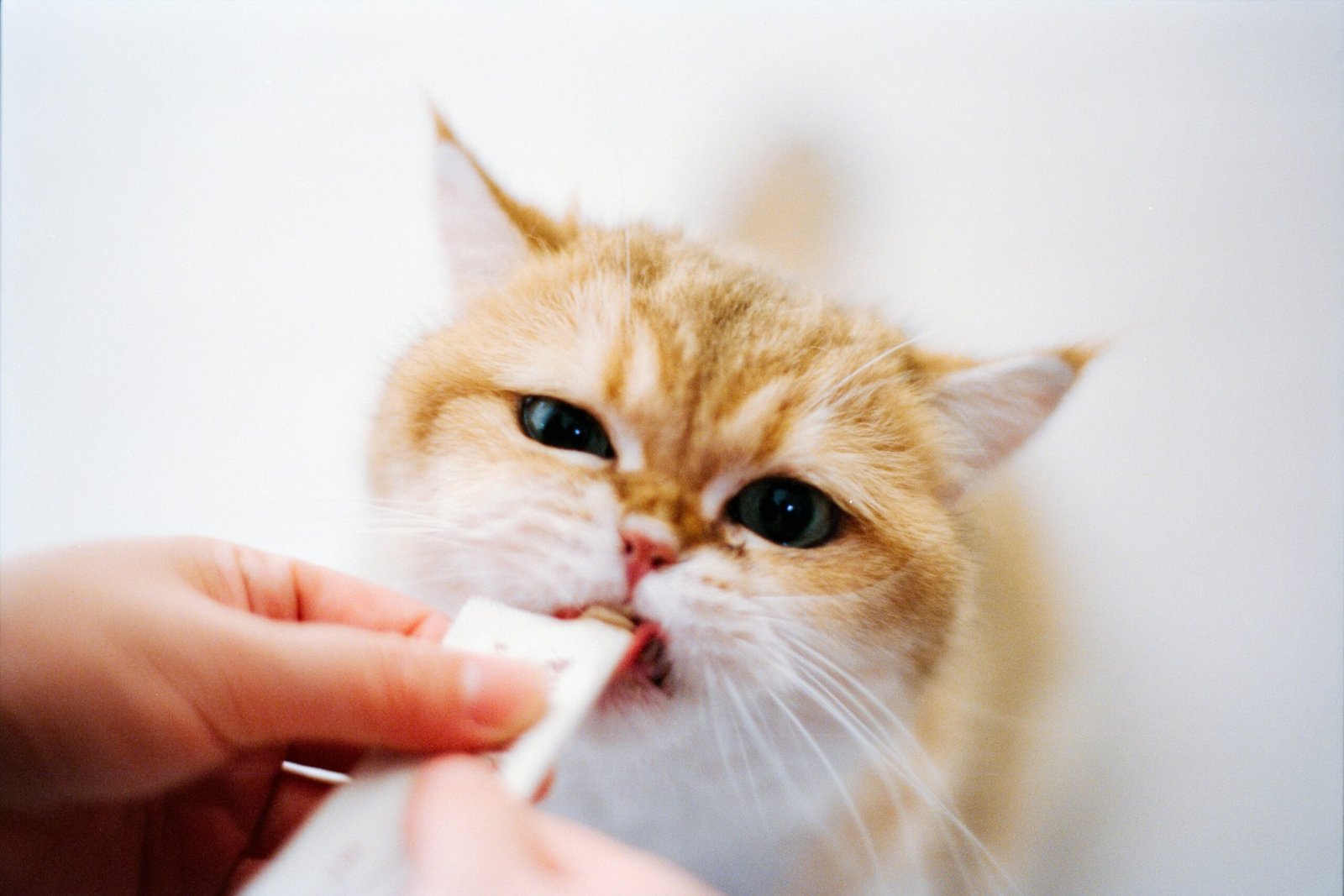
Hand-feed small amounts. Some cats respond to being offered food directly from the hand. It is not a long-term solution, but it can help bridge a short period of refusal and gives you an indication of whether the cat is capable of eating or genuinely unable to.
When to Call the Vet
This is where I want to be direct rather than give you a reassuring non-answer. Most sources will tell you to call the vet if your cat has not eaten for 24 to 48 hours. That is the right advice on paper, and for overweight cats or cats already in poor health, 24 hours is genuinely the threshold.
For a healthy adult cat with no other symptoms, a day without eating is not immediately catastrophic. But if the refusal extends to two days, or if you notice anything else changing alongside it, that is when you act. The combination of not eating and other symptoms is the real signal to take seriously.
Go to the vet promptly if your cat is not eating and also:
- Hiding more than usual or behaving out of character
- Vomiting, even occasionally
- Has a yellow tint in the whites of the eyes or on the skin
- Is losing weight visibly
- Seems lethargic or weak rather than just uninterested in food
- Is straining in the litter box or not using it at all
- Is drooling, pawing at the face, or dropping food
- Is a kitten, a senior cat, or an overweight cat
Any one of those alongside appetite loss is a reason to make the call the same day, not in a few days to see if it improves. Cats deteriorate faster than most owners expect once things start going wrong.
What Not to Do
Do not starve a picky cat into eating. The old advice of withholding food until a cat eats what is offered is dangerous with cats specifically because of the hepatic lipidosis risk. A cat that refuses food for several days to win a standoff can end up with liver damage in the process. If your cat is rejecting its food, find something it will eat rather than waiting it out.
Do not switch foods abruptly and repeatedly. Offering five different foods in one day because the cat rejected the first four can create food aversion problems and a cat that has learned to hold out for something better. If you are trying a new food, give it a genuine chance over a few days before moving on.
Do not assume it is just pickiness. As I mentioned at the start: when a cat is not eating, something is usually already in motion. Pickiness is a real thing in cats, but genuine long-term refusal almost always has a physical or emotional cause underneath it. The pickiness framing tends to delay the response that the situation actually needs.
How Much to Feed a Cat Per Day: By Weight, Age and Food Type
FAQ
How long can a cat go without eating before it becomes dangerous?
Most healthy adult cats should not go without food for more than 48 hours before a vet is consulted. For overweight cats, kittens, and senior cats, 24 hours is the more appropriate threshold. The risk of hepatic lipidosis increases significantly the longer a cat goes without eating, and it can begin developing within just a few days of inadequate food intake.
My cat is drinking water but not eating. Is that better?
Staying hydrated is a good sign and reduces some of the immediate risk, but a cat that is drinking but not eating still needs attention if the refusal extends beyond a day. Water alone does not prevent hepatic lipidosis.
Why does my cat act hungry but not eat?
Approaching the bowl, sniffing, and then walking away without eating is a common sign of dental pain. The cat wants to eat but eating causes discomfort. It can also indicate nausea, where the smell of food triggers a bad response. Both warrant a vet visit if it persists.
Can stress really stop a cat from eating?
Yes, genuinely. Cats are more sensitive to household changes than most owners realise. A new pet, a new person, a moved piece of furniture, or a change in the owner’s schedule can be enough to suppress appetite in a sensitive cat. The appetite usually returns once the cat adjusts, but persistent stress requires addressing the underlying cause rather than just the eating problem.
My cat stopped eating after a food change. What should I do?
Go back to the previous food if you still have it. If not, try something with a strong aroma and a wet texture to re-engage appetite. Once the cat is eating consistently again, make any future food transitions gradually: mix a small amount of new food into the existing food and increase the ratio over ten to fourteen days.
Is it normal for cats to eat less in summer?
Mild seasonal variation in appetite can occur, particularly in warmer weather when energy needs drop slightly. A modest reduction in food intake during a heatwave, with no other symptoms, is not usually a concern. A significant and sustained drop in appetite at any time of year warrants attention.
Final Thoughts
A cat not eating is one of those situations where it pays to take it seriously earlier rather than later. Not because every case is an emergency, but because cats hide illness well and the metabolic risks specific to cats mean that what looks like a minor issue can move quickly in the wrong direction.
Start with the simple checks: bowl cleanliness, food freshness, stress in the environment, recent changes. If those do not explain it, or if the refusal goes on beyond a day or two, call the vet. And if your cat is showing any additional symptoms alongside the appetite loss, do not wait. The combination is what matters.
For cats that eat but seem restless or anxious, improving their daily mental stimulation is worth addressing alongside nutrition. The article on best interactive cat toys for indoor cats covers the practical options for keeping an indoor cat mentally engaged. And if stress-related scratching is also a problem, best cat deterrent spray for furniture addresses that side of things too.
Sources
- https://www.petmd.com/cat/nutrition/cat-not-eating-what-to-do
- https://www.webmd.com/pets/cats/my-cat-wont-eat
- https://www.petmd.com/cat/conditions/digestive/hepatic-lipidosis-cats-fatty-liver-disease
- https://vcahospitals.com/know-your-pet/liver-disease-fatty-liver-syndrome-in-cats
- https://vetmed.illinois.edu/pet-health-columns/hepatic-lipidosis-when-cats-dont-eat/
- https://www.gsvs.org/eatontown-nj/blog/cat-not-eating-emergency/

Pingback: Cat Health & Care: The Complete Guide to Keeping Your Cat Healthy at Every Life Stage - DogCat-care
Pingback: How Much to Feed a Cat Per Day: By Weight, Age and Food Type