Introduction
A cat drinking more water than usual is one of those changes that most owners notice but do not act on. The cat has always been a bit unpredictable. It is probably just thirsty. Maybe it is warmer than usual. It will pass. That assumption is understandable, because the change is gradual and the cat otherwise seems fine. But excessive thirst in cats, known medically as polydipsia, is one of the clearest early indicators of several serious health conditions, and most of those conditions are significantly more manageable when caught early.
The core problem is that cats are naturally low drinkers. They evolved as desert animals whose primary source of hydration came from prey, not from a water bowl. A cat drinking noticeably more than its normal baseline is not adjusting its hydration strategy out of preference. Something has changed, and the change is worth understanding.
This article covers what normal water intake looks like, what causes a cat to drink more, which causes are harmless, and which ones require a veterinary visit.
By Dogcat-Care.
Table of Contents
What Normal Water Intake Looks Like in Cats
Before identifying a cat drinking more water than usual as a problem, it helps to understand what normal looks like. The baseline varies by the individual cat, its diet, its size, and its environment, which is exactly why owners who know their cat well are best positioned to notice a real change.
A healthy adult cat drinking primarily dry food needs roughly 60 to 80 millilitres of water per kilogram of body weight per day. A 4 kg cat on a dry food diet needs approximately 240 to 320 millilitres per day from its water bowl. A cat on a wet food diet gets a significant proportion of that from food, because wet food is 70 to 80 percent water, so it will drink noticeably less from the bowl.
Polydipsia, the medical term for excessive thirst, is generally defined as water intake consistently above 100 millilitres per kilogram of body weight per day. For a 4 kg cat, that threshold is around 400 millilitres per day. In practice, most owners do not measure their cat’s water intake, which means the most useful signal is a clear change from whatever was normal for that specific cat, not a number on a chart.
Practical signs that a cat is drinking more than usual:
- Visiting the water bowl significantly more often than before
- Needing the bowl refilled more frequently
- Drinking from unusual sources such as taps, glasses, or puddles when it did not before
- Larger or more frequent urine clumps in the litter box
- Urinating outside the litter box due to increased frequency
The last two points matter because increased water intake almost always accompanies increased urination. If your cat is drinking more and the litter box output has also increased, that pattern is more significant than increased drinking alone.
Harmless Causes of Increased Water Intake
Not every instance of a cat drinking more water than usual signals a medical problem. Several common and harmless factors can cause temporary increases in thirst.
Diet change from wet to dry food. This is one of the most common causes of suddenly increased water consumption. Wet food contains 70 to 80 percent water. Dry food contains roughly 10 percent. A cat that switches from wet to dry food, or has its wet food proportion reduced, will compensate by drinking significantly more from its bowl. The cat is not ill. It is adjusting to a lower moisture intake from its food. If the increased drinking started around the same time as a food change, this is almost certainly the explanation. For a breakdown of the moisture differences between cat food types, the article on best cat food for indoor cats covers this in detail.
Hot weather or a warmer indoor environment. Cats lose moisture through respiration and paw pads, and they drink more in warmer conditions just as other animals do. If the increase in drinking coincides with summer temperatures, a new heating system, or a change in where the cat spends its time, environment is likely the cause. Monitor whether the drinking returns to baseline as conditions change.
Increased activity. A more active period, a new toy, a younger cat in the household creating chase games, will temporarily increase water needs. This type of increase is self-limiting and resolves without intervention.
Stress. Cats under stress sometimes drink more than usual. Moving house, a new pet, changes in household routine, or a new person in the home can all affect drinking behaviour. Stress-related changes in thirst typically appear alongside other behavioural changes and resolve as the cat adjusts to the new situation.
Medication side effects. Some medications, particularly corticosteroids used for allergies or inflammatory conditions, cause increased thirst as a known side effect. If your cat was recently prescribed medication and the increased drinking started at the same time, this is worth mentioning to your veterinarian at the next visit.
The key distinction for all of these benign causes is that the cat is otherwise well. Its appetite is normal, its energy level is normal, its weight is stable, and the litter box output, while increased, is consistent with the increased water intake. If anything else has changed alongside the drinking, the cause is more likely to be medical.
Medical Causes of a Cat Drinking More Water Than Usual
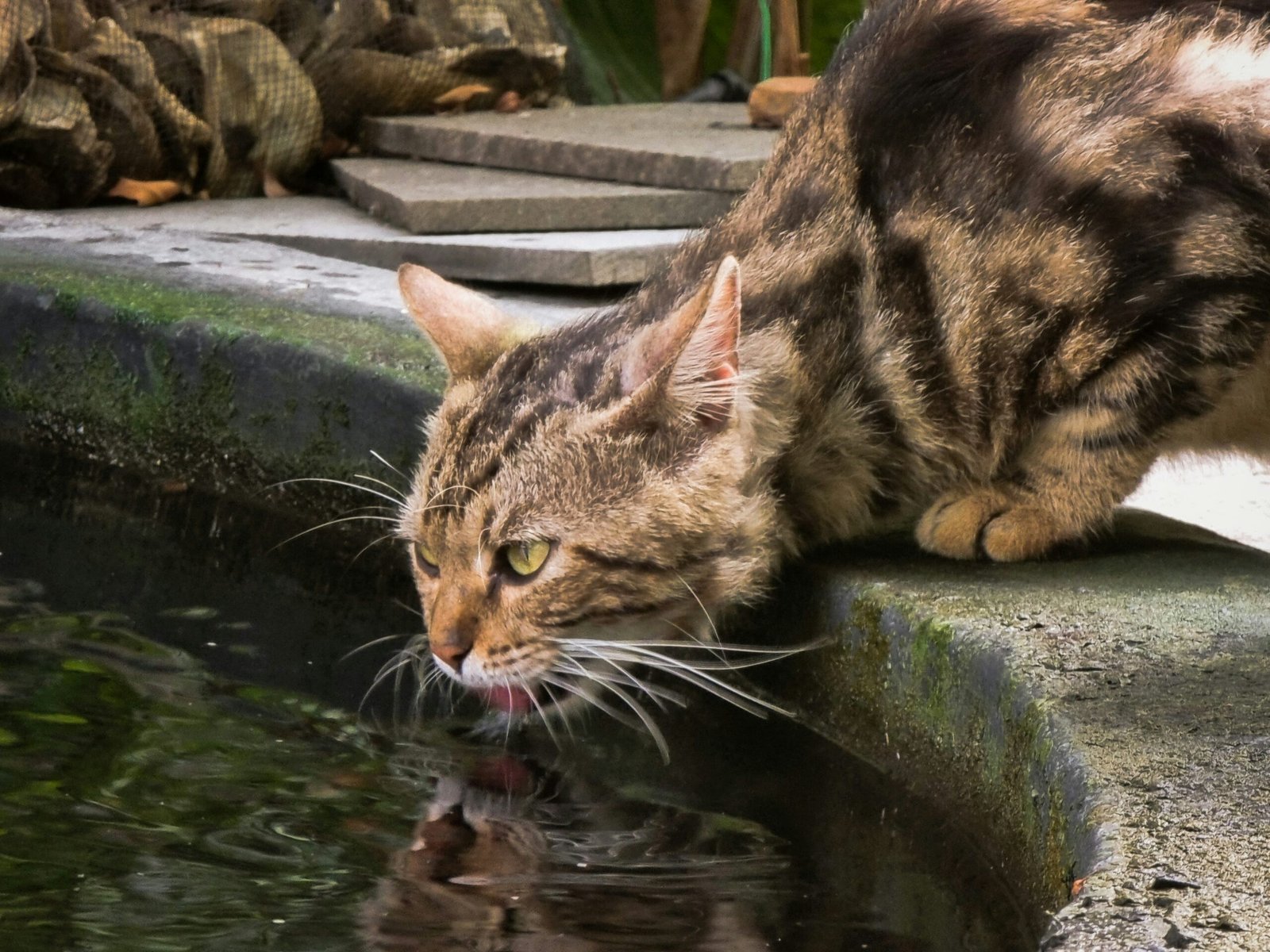
When a cat drinking more water than usual is persistent, progressive, and not explained by an obvious environmental or dietary factor, a medical cause is likely. The following are the most common and clinically significant conditions associated with excessive thirst in cats.
Chronic Kidney Disease
Chronic kidney disease, or CKD, is the most common serious cause of increased water consumption in cats, particularly those over seven years of age. The kidneys are responsible for concentrating urine and conserving water. As kidney function declines, the kidneys lose the ability to concentrate urine effectively, and the cat must drink more to compensate for the water lost in dilute urine.
CKD is progressive and cannot be reversed, but it can be managed effectively when identified early. Cats in early-stage CKD can maintain good quality of life for months to years with appropriate dietary management and veterinary monitoring. The same cat diagnosed in late-stage CKD has far fewer options and a shorter window.
The early signs beyond increased thirst include weight loss despite a normal or increased appetite, increased urination, and occasionally vomiting. Many cats in early CKD appear entirely normal to their owners, which is exactly why the increased thirst, when noticed, is such a valuable early signal.
Diabetes Mellitus
Feline diabetes is the second most common cause of polydipsia in cats. In diabetes, the body either does not produce enough insulin or cannot use it effectively, leading to chronically elevated blood glucose. The excess glucose is excreted through the kidneys, pulling water with it, which causes increased urination and compensatory increased drinking.
Cats with diabetes typically also show weight loss despite an increased or normal appetite, reduced activity, and in more advanced cases, a distinctive plantigrade stance where the hocks touch the ground during walking. Diabetes in cats is manageable with insulin therapy and dietary adjustment, and some cats achieve remission with early treatment, particularly when caught before significant complications develop.
Obesity is a significant risk factor for feline diabetes, which is why weight management in cats is a meaningful health intervention rather than just an aesthetic consideration.
Hyperthyroidism
Hyperthyroidism, caused by overactive thyroid glands, is the most common hormonal disorder in older cats. The excess thyroid hormone accelerates metabolism across all body systems, including kidney function, which increases urine production and creates increased thirst.
Cats with hyperthyroidism are often noticeably hyperactive despite their age, eating more than usual but losing weight, vocalising more, and sometimes showing changes in coat condition. Increased thirst is common but not always the most obvious sign. Hyperthyroidism is highly treatable with medication, radioiodine therapy, or surgery, and the prognosis with treatment is generally excellent.
Urinary Tract Infection
Urinary tract infections are less common in cats than in dogs but do occur, particularly in older or immunocompromised cats. The infection increases urination frequency and urgency, which leads to compensatory drinking. Cats with urinary tract infections often strain in the litter box, show discomfort when urinating, or produce blood-tinged urine alongside the increased drinking.
UTIs in cats require antibiotic treatment and resolve fully in most uncomplicated cases. Left untreated, they can progress to kidney involvement.
Liver Disease
The liver plays a central role in metabolism, detoxification, and the regulation of numerous biological processes. When liver function is compromised, the resulting metabolic disruption can cause increased thirst. Liver disease in cats typically presents alongside reduced appetite, jaundice visible in the gums or whites of the eyes, lethargy, and sometimes vomiting.
Hypercalcaemia
Abnormally high calcium levels in the blood can cause increased thirst and urination. Hypercalcaemia in cats is associated with certain cancers, vitamin D toxicity, and some inflammatory conditions. It is less common than the conditions above but worth including because the thirst component is often an early sign.
How to Tell If the Cause Is Serious
The clearest way to assess whether a cat drinking more water than usual is medically significant is to look at the full picture rather than the drinking alone.
Red flags that warrant prompt veterinary attention:
- Increased drinking alongside weight loss, even if appetite seems normal or increased
- Increased drinking alongside lethargy or reduced activity
- Increased drinking alongside vomiting, particularly if recurring
- Increased drinking in a cat over eight years of age without a clear environmental explanation
- Increased drinking alongside changes in litter box output, particularly if the urine is very pale or the cat is straining
- A sudden, pronounced increase in drinking that appears rapidly rather than gradually
Patterns that are less immediately concerning:
- A mild increase that coincides with a specific dietary or environmental change and resolves as that change settles
- Increased drinking in summer that returns to baseline in cooler weather
- Increased drinking following a recent medication change, with no other symptoms
When in doubt, a veterinary assessment is the right call. The tests required to identify or rule out the serious causes are straightforward: a basic blood panel and urinalysis cover kidney function, blood glucose, thyroid levels, liver enzymes, and urine concentration. These results give you a clear picture within a single visit.
What to Do If You Suspect Your Cat Is Drinking Too Much
If you have noticed a cat drinking more water than usual and you are not sure whether it is significant, the most useful first step is to document what you are seeing before the veterinary visit.
Measure daily water intake for three to five days. Fill the water bowl with a measured amount each morning and measure what remains at the end of the day. This gives the vet a concrete number rather than an impression. Account for water in wet food if relevant. A cat consistently drinking more than 100 ml per kilogram of body weight per day is above the polydipsia threshold.
Note any accompanying changes. Has the cat lost weight? Is the litter box output different in volume or frequency? Has appetite changed? Is the cat less active than usual? Has anything changed in its environment, diet, or medication recently? These details help the vet narrow the differential diagnosis before the blood results arrive.
Do not restrict water access. It might seem logical to limit water if the cat is drinking excessively, but this is counterproductive and potentially dangerous. The increased thirst is a symptom of an underlying process. Restricting water does not address the cause and can cause dehydration on top of whatever is already happening.
Book a veterinary appointment. If the increased drinking is persistent for more than a week without an obvious benign explanation, or if any accompanying symptoms are present, a veterinary visit is the appropriate response. Early detection of CKD, diabetes, and hyperthyroidism all have a direct and meaningful impact on how well those conditions can be managed.
Supporting Cat Health Between Veterinary Visits
While a veterinary assessment is the correct response to persistent unexplained increased thirst, there are practical steps that support overall cat health and can reduce the risk of some of the conditions associated with excessive thirst.
Feed wet food as the primary or sole diet. A wet food based diet provides substantially higher moisture intake than dry food, which supports kidney function and urinary tract health over time. Cats fed primarily dry food have consistently higher urine concentration, which places more strain on the kidneys over years. Transitioning to wet food is one of the most widely supported dietary recommendations for long-term cat health.
Provide fresh water in multiple locations. Cats are more likely to drink adequate amounts when water is available in clean, fresh, conveniently placed bowls that are not immediately adjacent to their food bowl. Many cats prefer running water, which is why some cats drink from taps. A water fountain designed for cats supports adequate hydration for cats that are reluctant drinkers.
Monitor weight regularly. Monthly weight checks at home, using a kitchen scale or a bathroom scale holding the cat then subtracting your own weight, give you early warning of gradual weight loss that is easy to miss day to day. Unexplained weight loss is one of the most significant early signs of the conditions associated with excessive thirst.
Schedule twice-yearly veterinary visits for cats over eight. Senior cats benefit from more frequent health monitoring because conditions like CKD and hyperthyroidism develop gradually and produce measurable changes in bloodwork before clinical signs are obvious. Catching those changes at the six-month check rather than the twelve-month one significantly improves treatment outcomes. The complete cat health care guide covers what preventive care should include at each life stage.
Consider gut health support. The gut microbiome affects nutrient absorption, immune function, and overall metabolic health. Probiotic supplementation has been shown to support digestive health in cats, which is relevant background support for overall wellbeing. The best cat probiotics article covers the options with genuine evidence behind them.
FAQ
How much water should a cat drink per day?
A healthy adult cat on a dry food diet needs roughly 60 to 80 millilitres of water per kilogram of body weight per day from its water bowl. A 4 kg cat needs approximately 240 to 320 millilitres. Cats on wet food diets drink significantly less from the bowl because they get most of their moisture from food. Polydipsia is generally defined as consistently drinking more than 100 millilitres per kilogram per day.
Can stress cause a cat to drink more water?
Yes. Cats under stress sometimes drink more than usual as part of a broader disruption to their normal behaviour. Stress-related increased drinking is typically accompanied by other behavioural changes and resolves as the stressor is removed or the cat adapts. If the increased drinking persists without a clear stressor or with other physical symptoms, a medical cause is more likely.
My cat drinks from the tap but not from its bowl. Is that a problem?
Preference for running water over still water is common in cats and not itself a sign of excessive drinking. It reflects a natural preference for fresh, moving water. A cat that has always done this and is not drinking more overall than before is not showing a concerning change. If a cat that previously drank from its bowl suddenly starts seeking out taps or other water sources more urgently or frequently, that change in pattern is worth noting.
Should I be concerned if my kitten is drinking a lot?
Kittens are growing rapidly and have higher overall metabolic needs than adult cats. Moderately increased water intake in a kitten is often normal, particularly if it is active and eating well. If the drinking is accompanied by weight loss, lethargy, or digestive symptoms, a veterinary check is appropriate at any age.
Can a cat drink too much water?
Yes, though compulsive water intake without a physical cause is rare in cats compared to dogs. More commonly, excessive drinking in cats is a symptom of an underlying condition rather than a primary behaviour. The concern is not the drinking itself but what the drinking is signalling about the cat’s health.
What tests does the vet run for excessive thirst in cats?
A standard workup for polydipsia in cats includes a blood chemistry panel covering kidney values, liver enzymes, blood glucose, and thyroid levels, along with a complete blood count and urinalysis. These tests together cover the most common serious causes and usually provide a clear diagnosis or narrow the possibilities significantly. Most results are available within 24 hours from a standard laboratory.
Final Thoughts
A cat drinking more water than usual is easy to explain away. It is warm. The food changed. The cat is just thirsty. Those explanations are sometimes correct, and in those cases the increased drinking resolves on its own. But the conditions that cause persistent polydipsia in cats, kidney disease, diabetes, hyperthyroidism, are exactly the kind of conditions that respond best to early detection and early management.
The cat is not going to tell you something is wrong. What it does is drink more water, visit the litter box more often, and gradually lose weight while you assume it is probably fine. Noticing the drinking and taking it seriously is one of the most useful things you can do for a cat’s long-term health.
If the increase is mild, recent, and tied to a clear environmental or dietary change, monitor and see if it resolves. If it is persistent, progressive, unexplained, or accompanied by any other change, book the veterinary visit. The test is straightforward, the results are fast, and the difference between early and late diagnosis is significant for every condition on the list.
Sources
- https://www.vet.cornell.edu/departments-centers-and-institutes/cornell-feline-health-center/health-information/feline-health-topics/chronic-kidney-disease
- https://www.icatcare.org/advice/drinking-more-than-usual/
- https://www.petmd.com/cat/conditions/endocrine/c_ct_diabetes_mellitus
- https://www.merckvetmanual.com/cat-owners/hormonal-disorders-of-cats/hyperthyroidism-in-cats
- https://www.wsava.org/WSAVA/media/PDF_old/CKD-information-for-owners.pdf