Introduction
Many cat owners assume cats can’t be trained — but this is a myth. Understanding cat training & behavior starts with recognizing natural instincts, motivation, and communication styles. Cats respond best to reward-based methods rather than punishment, and when approached strategically, even common problems like furniture scratching, biting, litter box issues, or nighttime activity can be resolved.
This guide explains proven training methods, behavioral insights, and step-by-step strategies that work at every life stage. Whether you have a playful kitten, a curious adult cat, or a senior feline, the right approach helps prevent unwanted behaviors, supports mental stimulation, and strengthens your bond.
By the end, you’ll have actionable tools for:
- Litter box training and addressing accidents
- Teaching bite inhibition and reducing aggression
- Encouraging appropriate scratching and play behavior
- Managing anxiety, stress, and indoor boredom
- Creating a long-term training plan tailored to your cat
This resource is designed as a complete authority reference for cat training & behavior, integrating behavioral science with practical, real-world solutions.
By Dogcat-care.
This post may contain affiliate links. If you buy through these links, I may earn a small commission at no extra cost to you. As an Amazon Associate, I earn from qualifying purchases.
Table of Contents
Understanding Cat Psychology Before You Train
Effective cat training & behavior begins with understanding feline instincts. Without this foundation, even the best training tools or products may fail. Cats are wired for survival, exploration, and hunting, and their behavior reflects these natural drives.
Natural Instincts That Drive Cat Behavior
- Hunting and play cycles: Cats are natural predators. Chasing, pouncing, and batting are instinctive behaviors that remain even in indoor environments. Toys and interactive play channels these instincts constructively.
- Territory marking: Cats use scratching, rubbing, and scent marking to establish ownership and security. Misunderstanding this can lead to indoor conflicts or unwanted scratching.
- Vertical climbing: Cats feel safer when they can survey their territory from high places. Vertical cat trees or perches satisfy this instinct and reduce stress-related behaviors.
- Nocturnal activity patterns: Cats are naturally crepuscular, meaning dawn and dusk are peak activity times. Recognizing this helps manage nighttime zoomies or excessive meowing.
Why Punishment Fails in Cat Training
Punishing a cat for unwanted behavior often backfires:
- Increases anxiety and stress, leading to hiding or aggression
- Breaks trust, making training progress slower or impossible
- Encourages avoidance behaviors rather than desired responses
Instead, aligning your approach with positive reinforcement techniques and environmental management creates predictable, long-lasting behavioral changes.
Positive Reinforcement: The Foundation of Cat Training & Behavior
Positive reinforcement is the most effective method for shaping feline behavior. Unlike punishment-based approaches, it focuses on rewarding desired actions, which encourages repetition and strengthens the bond between cat and owner. For long-term cat training & behavior, this approach is supported by both behavioral science and real-world experience.
How Positive Reinforcement Works
Positive reinforcement relies on timing and consistency. Cats quickly learn which behaviors earn rewards when the reinforcement immediately follows the action. This method works for a wide range of behaviors, from litter box use to reducing biting or scratching.
Key principles include:
- Rewarding the exact behavior you want to see repeated
- Using a consistent cue or marker (like a clicker or verbal signal)
- Keeping rewards immediate and meaningful to the cat
What Rewards Work Best for Cats
Different cats respond to different motivators, and understanding your cat’s preferences is critical for effective cat training & behavior management. Common rewards include:
- High-value treats: Small, soft, and aromatic treats are most effective.
- Interactive play: Wand toys, laser pointers, or short chase games reinforce active behaviors.
- Verbal praise and gentle petting: Works well for cats that enjoy human attention.
By consistently applying these principles, owners can teach kittens and adult cats alike to follow desired behaviors, reduce unwanted habits, and improve mental stimulation.
Positive reinforcement forms the backbone of all successful cat training & behavior strategies. Once this foundation is understood, you can systematically address common behavior problems, guide kittens through early socialization, and manage adult or senior cats’ habits in a humane and effective way.
Best Cat Deterrent spray for Furniture.

Kitten Training: Setting Behavior Foundations Early
Starting training early is crucial for shaping lifelong cat training & behavior. Kittens are in a critical developmental window where socialization, litter habits, and bite inhibition can be established effectively. Early guidance reduces the likelihood of behavioral problems as they grow into adulthood.
Litter Box Training for Kittens
Litter box habits are often the first behavioral challenge for new cat owners. Consistency, location, and cleanliness are key factors:
- Place litter boxes in quiet, accessible areas
- Keep boxes clean and odor-free
- Use shallow litter for very young kittens to prevent scattering
Understanding natural feline elimination behavior helps prevent accidents and establishes a strong foundation for proper litter box use throughout life.
Teaching Bite Inhibition
Kittens naturally explore with their mouths and may bite hands or fingers during play. Teaching bite inhibition early prevents aggression or injury as they mature:
- Redirect biting to toys instead of human hands
- Withdraw attention briefly when a kitten bites too hard
- Reinforce gentle play consistently
Early bite training reduces stress for both cat and owner while promoting safe, playful interactions.
Socialization Window (2–9 Weeks)
The period between 2 and 9 weeks of age is critical for socialization. Kittens exposed to gentle handling, diverse sounds, and different people develop confidence and adaptability. Proper socialization improves overall behavior and reduces fearfulness later in life.
By addressing these areas early, owners create a strong base for all future cat training & behavior strategies, making subsequent problem-solving and enrichment much easier and more effective.
Fixing Common Cat Behavior Problems
Even with early training, cats can develop unwanted behaviors. Understanding the causes and applying evidence-based strategies is critical for effective cat training & behavior. Many problems arise from boredom, stress, medical issues, or instinctual needs that are not being met.
How to Stop a Cat from Scratching Furniture
Scratching is a natural behavior, but it can become destructive if not properly directed. Effective strategies include:
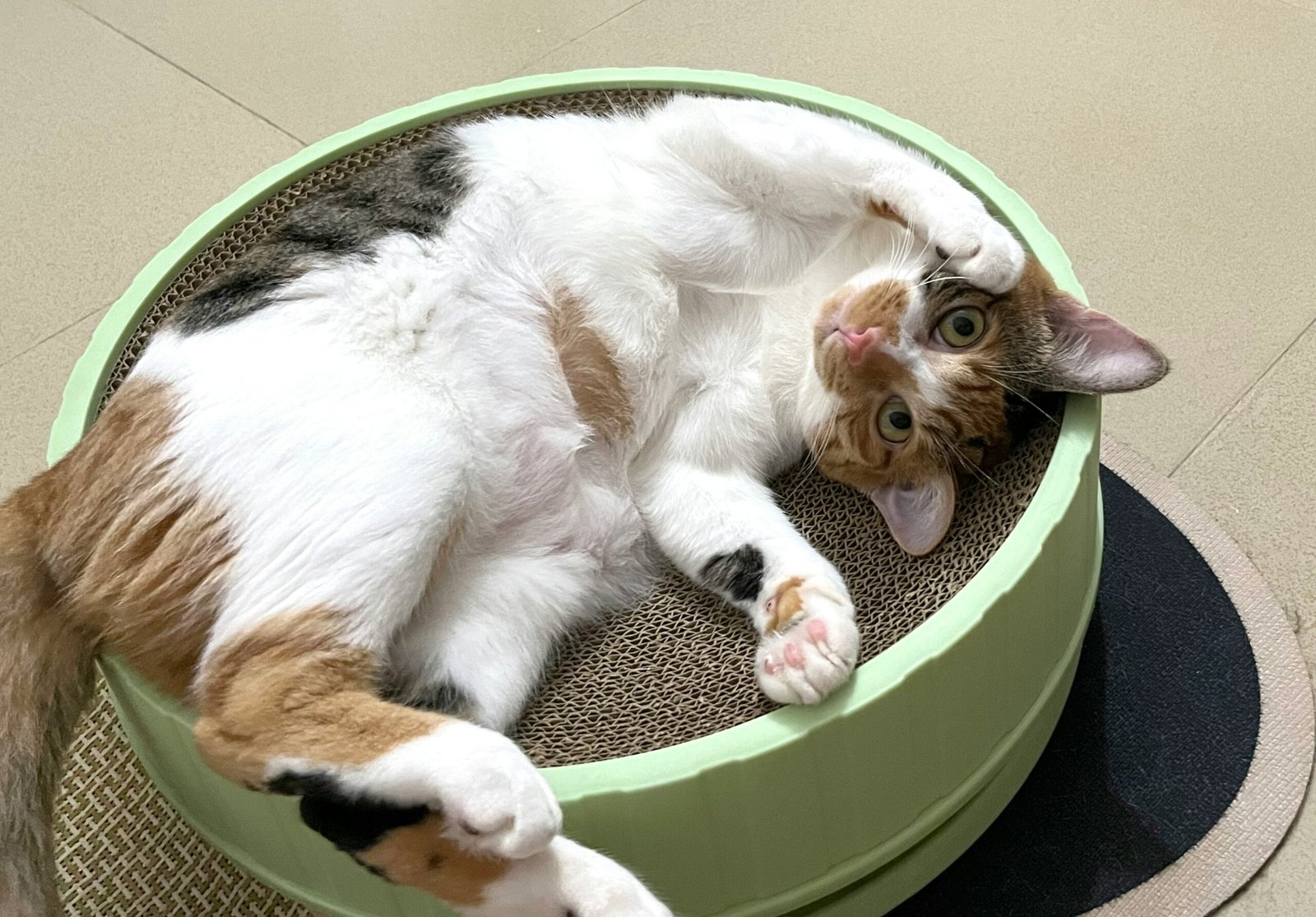
- Providing multiple scratching posts and pads with different textures
- Placing scratching surfaces near areas cats naturally scratch
- Rewarding use of posts and gently redirecting inappropriate scratching
Addressing scratching behavior proactively protects your home while supporting feline instinctual needs.
Cat Biting and Aggression
Biting can result from overstimulation, fear, or territorial behavior. Managing aggression requires observation and gradual modification:
- Recognize early warning signs such as tail flicking or ear flattening
- Avoid punishing; instead, redirect or remove attention when signs appear
- Reward calm interactions and gentle play
Proper management ensures both owner safety and improved feline behavior over time.
Litter Box Problems and Accidents
Litter box avoidance may indicate stress, medical conditions, or environmental dissatisfaction:
- Ensure boxes are clean and in quiet locations
- Use sufficient number of boxes (one per cat plus one extra)
- Evaluate litter type and box size for comfort
Consistent monitoring and problem-solving help maintain appropriate elimination habits, supporting hygiene and overall well-being.
Nighttime Zoomies & Excessive Meowing
Cats are naturally crepuscular, often most active at dawn and dusk. Managing nighttime activity involves:
- Scheduling interactive play sessions during peak energy periods
- Providing enrichment like puzzle feeders or window perches
- Avoiding reinforcement of attention-seeking meows at night
These strategies reduce stress, improve sleep for both cat and owner, and guide energy into constructive outlets.
By systematically addressing these common issues with evidence-based approaches, owners can significantly improve cat training & behavior, reduce household conflicts, and support a cat’s physical and mental well-being.

Indoor Cat Behavior Issues
Indoor cats face unique behavioral challenges because they lack the outdoor stimulation that satisfies natural hunting and exploratory instincts. Addressing these challenges is a key part of cat training & behavior and supports long-term cat health & care.
Preventing Boredom in Indoor Cats
Boredom can lead to destructive behaviors such as excessive scratching, over-grooming, or aggressive play. Strategies to prevent boredom include:
- Rotating toys regularly to maintain novelty
- Scheduling multiple short play sessions throughout the day
- Using puzzle feeders to combine mental stimulation with mealtime
Understanding your cat’s activity patterns helps tailor enrichment strategies for consistent engagement.
Environmental Enrichment Strategies
Creating an enriched environment ensures that indoor cats have outlets for natural behaviors:
- Vertical space: Cat trees, shelves, or window perches satisfy climbing instincts and offer a sense of security.
- Interactive play: Wand toys, laser pointers, and puzzle toys provide physical and mental exercise.
- Safe hiding spots: Covered beds or hideaways give cats a secure retreat, reducing stress and anxiety.
Enrichment reduces stress-related behaviors, promotes exercise, and keeps cats mentally sharp — essential components of cat training & behavior for indoor lifestyles.
By proactively designing an indoor environment that meets instinctual needs, owners can prevent common behavioral issues and create a happier, healthier living situation for their cats.
Cat Anxiety and Stress-Related Behavior
Understanding and addressing anxiety is a crucial part of effective cat training & behavior. Stress can manifest in subtle or obvious ways, affecting a cat’s physical health, mental well-being, and overall behavior. By identifying triggers and applying evidence-based strategies, owners can reduce anxiety and prevent behavior problems from escalating.
Signs of Stress in Cats
Cats may display stress in several ways, including:
- Overgrooming or bald patches
- Hiding or avoiding interaction
- Aggression toward people or other pets
- Excessive vocalization or meowing
- Loss of appetite or sudden changes in litter box habits
Recognizing these early signs allows proactive intervention, preventing chronic stress and related health issues.
How to Reduce Cat Anxiety Naturally
Stress reduction should focus on environmental management, enrichment, and consistent routines:
- Provide safe spaces: Enclosed beds or hideaways help anxious cats feel secure.
- Interactive enrichment: Toys, climbing structures, and puzzle feeders offer mental stimulation and reduce boredom-induced stress.
- Consistent routines: Feeding, playtime, and handling at predictable times reassure cats and reduce anxiety.
- Socialization: Gradual exposure to new people, pets, or environments prevents fear-based behaviors.
Addressing anxiety not only improves quality of life but also lays the foundation for more effective cat training & behavior interventions.
Advanced Training: Can You Train a Cat Like a Dog?
While cats are not dogs, they are capable of learning advanced behaviors and responding to structured training when approached correctly. Understanding feline motivation and communication is key to achieving success in cat training & behavior beyond basic habits.
Clicker Training for Tricks
Clicker training uses a sound or marker to indicate correct behavior, followed immediately by a reward. It’s highly effective for teaching tricks, recall, or complex commands:
- Works with kittens, adult, and even senior cats
- Encourages mental stimulation and problem-solving
- Strengthens the bond between owner and cat
Clicker training builds on the principles of positive reinforcement and shows that even behaviors considered “untrainable” can be learned with consistency and patience.
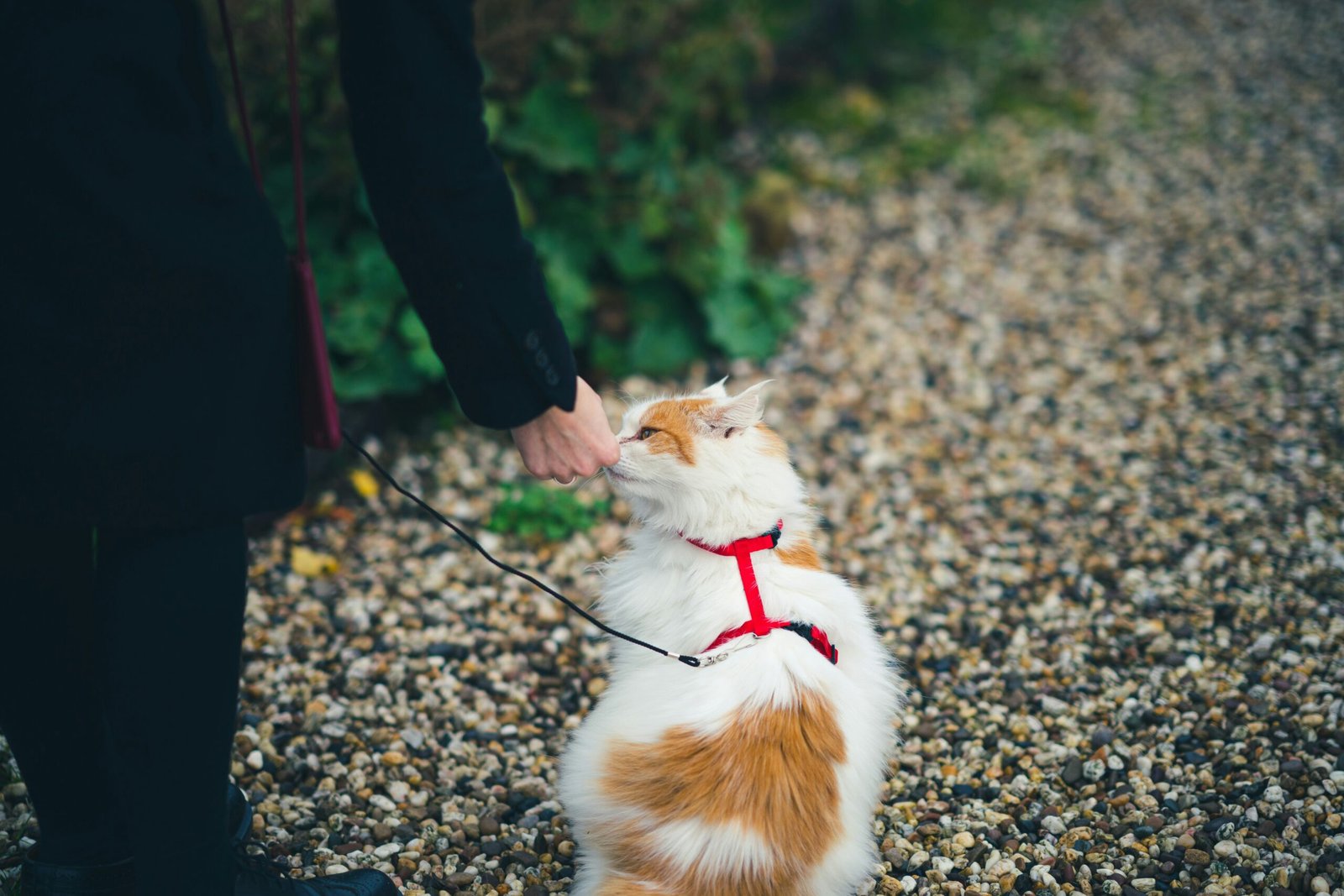
Leash Training
Leash training allows cats to safely explore outdoor environments while providing physical exercise and enrichment:
- Start indoors with short sessions to build comfort
- Gradually introduce harness and leash outside
- Reward calm, controlled behavior at each step
Leash-trained cats gain enrichment and exercise opportunities similar to outdoor dogs, which supports healthy weight, mental stimulation, and reduces boredom.
Advanced techniques like clicker and leash training demonstrate that cat training & behavior can extend far beyond basic obedience, creating a more engaged, confident, and adaptable cat.
Cat Training & Behavior by Life Stage
Cats’ learning abilities and behavioral needs change as they grow. Tailoring cat training & behavior strategies to each life stage ensures effective learning, prevents problems, and supports overall cat health & care.
Kitten
Kittens are highly receptive to training and socialization:
- Focus on litter box habits, bite inhibition, and gentle handling
- Introduce scratching posts and interactive play early
- Gradually expose them to household noises, people, and other pets
Early intervention sets a strong foundation for confidence and positive behavior in adulthood.
Adult Cat
Adult cats benefit from reinforcement of existing behaviors and addressing problem habits:
- Use positive reinforcement to correct scratching, biting, or inappropriate elimination
- Maintain consistent play sessions and enrichment to prevent boredom
- Introduce new tricks or interactive training to challenge mental agility
Consistency and patience are key for adapting adult cats to new behaviors.
Senior Cat Behavior Changes
Senior cats may experience reduced mobility, changes in energy, or cognitive decline:
- Adjust play and exercise routines to accommodate joint stiffness
- Provide easily accessible litter boxes and resting areas
- Use gentle reinforcement for maintaining learned behaviors
- Monitor for changes that may indicate health issues
Recognizing life stage-specific needs allows owners to adapt training methods and the environment, supporting physical and mental wellness throughout a cat’s life.

When Behavior Signals a Medical Problem
Not all behavioral issues stem from training gaps or environmental factors. Sudden changes in behavior can indicate underlying medical problems, making it a critical component of comprehensive cat training & behavior awareness. Early recognition and intervention protect your cat’s health and prevent escalation of issues.
Signs That May Indicate a Medical Issue
- Sudden aggression or biting
- Changes in litter box habits (urinating outside the box, straining, or blood in urine)
- Excessive grooming or hair loss
- Loss of appetite or rapid weight change
- Lethargy or unusual hiding
Identifying these signs early allows for timely veterinary evaluation, which is essential for long-term cat health & care.
Common Medical Causes Behind Behavior Changes
- Urinary tract infections or kidney problems – often cause litter box avoidance
- Arthritis or joint pain – may reduce play or make jumping painful
- Dental issues – can increase irritability or biting
- Thyroid or metabolic disorders – influence energy levels and behavior
- Stress-related conditions – may exacerbate anxiety-driven behaviors
Addressing medical causes first ensures that behavioral training is effective and that cats are physically comfortable. Attempting to train a cat with untreated medical issues often fails or worsens stress.
Creating a Long-Term Cat Training Plan
A structured, long-term approach is key to effective cat training & behavior. Training isn’t a one-time event—it’s an ongoing process that evolves with your cat’s age, health, and environment. A consistent plan reduces behavioral problems, supports mental stimulation, and strengthens the human-cat bond.
Consistency and Routine
Cats thrive on predictability. Consistent schedules for feeding, play, and training reinforce desired behaviors:
- Set regular playtimes to channel energy constructively
- Maintain consistent responses to undesired behavior
- Repeat training exercises daily in short, focused sessions
Environmental Management
The environment shapes behavior. Providing the right resources encourages positive habits and prevents common problems:
- Scratching posts and climbing structures to redirect natural behaviors
- Enrichment toys and puzzle feeders to prevent boredom
- Safe hiding spaces for stress reduction
Reinforcement and Tracking
Positive reinforcement strengthens learned behaviors. Tracking progress ensures the plan is effective:
- Reward successes immediately with treats, praise, or play
- Monitor problem behaviors and note triggers
- Adjust strategies as your cat grows or circumstances change
Building Life Stage-Specific Goals
Training objectives should align with your cat’s developmental stage:
- Kittens: Socialization, litter box habits, bite inhibition
- Adults: Reinforcing good habits, correcting behavioral issues, advanced enrichment
- Seniors: Adapting training for mobility or cognitive changes, maintaining learned behaviors
By combining consistency, environment control, reinforcement, and life stage-specific goals, owners can create a sustainable cat training & behavior program that supports long-term well-being and prevents many common behavioral challenges.

FAQ
What Are the Most Effective Cat Training & Behavior Techniques?
The most effective cat training & behavior techniques rely on positive reinforcement, consistency, and environmental management. Rewarding desired actions, redirecting unwanted behaviors, and providing proper enrichment can prevent common problems such as scratching furniture, biting, or litter box accidents.
How Do I Stop My Cat from Scratching Furniture?
To prevent destructive scratching, provide multiple scratching posts or pads with varied textures, place them near commonly scratched areas, and reward cats when they use them. Consistency and understanding natural scratching instincts are key for long-term success.
How Can I Teach a Cat to Stop Biting or Aggression?
Aggression often stems from overstimulation, fear, or territorial behavior. Positive reinforcement, redirecting attention to toys, and avoiding punishment can reduce aggressive incidents. Observing warning signs like tail flicking or ear flattening allows timely intervention.
How Do I Litter Train a Kitten or Fix Litter Box Problems?
Ensure litter boxes are clean, accessible, and appropriately sized. Use shallow litter for kittens and provide one box per cat plus an extra. Environmental stress, medical issues, or litter preference can cause avoidance, so monitor behavior closely.
How Can I Reduce Anxiety in Cats?
Provide safe spaces, consistent routines, and interactive enrichment. Environmental enrichment such as climbing structures, puzzle feeders, and covered hideaways reduces stress. Gradual exposure to new experiences and gentle socialization further supports emotional stability.
Can Cats Learn Tricks Like Dogs?
Yes. Cats respond well to positive reinforcement and clicker training. Start with simple behaviors like sit or high-five, reward immediately, and gradually increase complexity. Patience, short sessions, and motivation through treats or play are key.
Final Thoughts
Effective cat training & behavior is rooted in understanding feline instincts, consistent positive reinforcement, and a carefully structured environment. Training is not about punishment—it’s about guiding your cat toward desirable behaviors while meeting their physical, mental, and emotional needs.
From kittens to senior cats, applying life stage-appropriate strategies ensures long-term success:
- Litter box training, bite inhibition, and socialization in kittens
- Correcting unwanted habits and maintaining enrichment in adults
- Adjusting play, rest, and cognitive challenges for senior cats
Addressing common behavior problems like scratching, biting, aggression, or nighttime activity requires patience, observation, and strategic intervention. Environments that provide vertical spaces, interactive toys, scratching posts, and safe hideaways reduce stress, prevent destructive behaviors, and support overall cat health & care.
Structured, ongoing training strengthens the human-cat bond, enhances mental stimulation, and promotes physical and emotional well-being. By following evidence-based methods and understanding your cat’s unique personality, owners can create a balanced, enriching home where behavioral problems are minimized and positive habits thrive.
Sources
- American Veterinary Medical Association – https://www.avma.org
- American Association of Feline Practitioners – https://catvets.com
- Cornell Feline Health Center – https://www.vet.cornell.edu/departments-centers-and-institutes/cornell-feline-health-center
- ASPCA – https://www.aspca.org
- Pet Obesity Prevention – https://petobesityprevention.org
- American Animal Hospital Association – https://www.aaha.org

Pingback: Best Cat Deterrent Spray for Furniture: Protect Your Couch & Chairs - DogCat-care