Introduction
Understanding cat care essentials is the foundation of raising a healthy, well-adjusted cat. Proper care goes far beyond food and a litter box. Cats have specific biological and behavioral needs that must be met consistently to support long-term cat health and wellness.
Whether you’re a new owner searching for essential supplies for new cat owners or improving your current daily cat care routine, mastering the fundamentals is critical. Nutrition, litter hygiene, grooming, enrichment, and preventive health care all work together. When one area is neglected, problems like obesity, stress, or behavioral issues often follow.
Indoor cats especially depend entirely on their environment, which makes structured indoor cat care essentials even more important. This guide breaks down exactly what every cat owner needs to know to build a practical system that supports lifelong health and stability.
By Dogcat-care.
This post may contain affiliate links. If you buy through these links, I may earn a small commission at no extra cost to you. As an Amazon Associate, I earn from qualifying purchases.
Table of Contents
Essential Supplies Every Cat Owner Needs
When it comes to cat care essentials, the right foundational supplies determine whether your cat simply survives or genuinely thrives. Many behavioral and health problems trace back to missing or poorly chosen basics. Getting these essentials right from the beginning creates stability, reduces stress, and supports long-term cat health and wellness.
High-Quality Cat Food
Nutrition is non-negotiable. As obligate carnivores, cats require animal-based protein as the core of their diet. Look for food where real meat is the first ingredient and avoid excessive fillers or artificial additives. Both wet and dry food can work, but portion control and consistency matter more than brand trends.
This is one of the most important cat feeding essentials because diet directly impacts weight, coat quality, digestion, and energy levels.
Why it matters: Proper nutrition prevents obesity, supports muscle maintenance, and reduces the risk of metabolic and urinary issues.
Fresh Water Source or Fountain
Cats naturally have a low thirst drive. Many indoor cats drink more when provided with a water fountain instead of a static bowl. Clean water should always be available and refreshed daily.
Reliable hydration is a core part of indoor cat care essentials, especially since chronic dehydration is linked to kidney problems.
Why it matters: Adequate hydration supports kidney function, urinary tract health, and overall metabolic balance.
Proper Litter Box Setup
A proper litter setup includes:
- One litter box per cat, plus one extra
- Unscented clumping litter
- Quiet, low-traffic placement
Litter box management is one of the most overlooked cat care essentials, yet it is directly tied to behavioral health.
Why it matters: Clean, accessible litter boxes prevent elimination issues and reduce stress-related behaviors.
Scratching Posts and Vertical Space
Scratching is instinctive. Without appropriate outlets, furniture becomes the substitute. Provide sturdy scratching posts and, ideally, vertical space such as cat trees or shelves.
Environmental setup is a major part of modern cat enrichment ideas for indoor cats.
Why it matters: Scratching supports claw health, relieves stress, and allows natural territorial marking behavior.
Basic Grooming Tools
Even short-haired cats benefit from routine brushing. Long-haired breeds require more structured grooming. Essential cat grooming tools include:
- Slicker brush or comb
- Nail clippers
- Basic dental care tools
Why it matters: Regular grooming prevents matting, reduces hairballs, and allows early detection of skin issues.
Feeding and Hydration Essentials
If there’s one area of cat care essentials you cannot afford to get wrong, it’s nutrition. Feeding decisions directly affect weight, energy levels, coat quality, digestion, and long-term cat health and wellness. Poor diet is one of the most common causes of preventable disease in indoor cats.
Understanding how to feed a cat properly isn’t complicated — but it does require structure and consistency.
Choosing the Right Type of Cat Food
Cats are obligate carnivores. Their bodies are designed to process animal protein, not carbohydrate-heavy fillers. When evaluating options in your cat nutrition guide, prioritize:
- Real animal protein as the first ingredient
- Clearly labeled protein sources (chicken, turkey, salmon)
- Taurine included (essential for heart and eye health)
- Limited artificial additives
Both wet and dry food can work. Wet food supports hydration and is often beneficial for urinary health, while dry food is convenient and calorie-dense. Many owners use a balanced combination.
For indoor cats especially, selecting the right formula is one of the most important indoor cat care essentials.
Why it matters: Proper protein levels support muscle mass, metabolic health, and long-term disease prevention.
Portion Control and Feeding Schedule
Free-feeding (leaving food out all day) often leads to overeating and obesity. A structured daily cat care routine should include measured portions based on weight, age, and activity level.
General best practices:
- Feed adult cats 2 structured meals per day
- Monitor body condition score monthly
- Adjust portions as needed
Kittens and senior cats require different caloric strategies, which we’ll cover later in the life-stage section.
Why it matters: Controlled feeding prevents obesity, which is one of the most common health risks in domestic cats.
Hydration and Water Intake
Hydration is frequently underestimated in essential cat care. Cats evolved from desert animals and have a naturally low thirst drive. This makes proactive hydration critical.
Ways to increase water intake:
- Use a circulating water fountain
- Provide multiple water stations
- Include wet food in the diet
This is especially important for preventing urinary and kidney issues, which are common in aging indoor cats.
Why it matters: Consistent hydration supports kidney function, urinary tract health, and toxin elimination.
Monitoring Weight and Eating Behavior
A complete cat health and wellness approach includes tracking appetite changes and body weight. Sudden appetite loss, increased thirst, or unexplained weight shifts should never be ignored.
Early detection of issues through routine observation is part of responsible ownership.
Why it matters: Small changes in eating patterns are often early indicators of underlying medical conditions.
Grooming and Hygiene Essentials
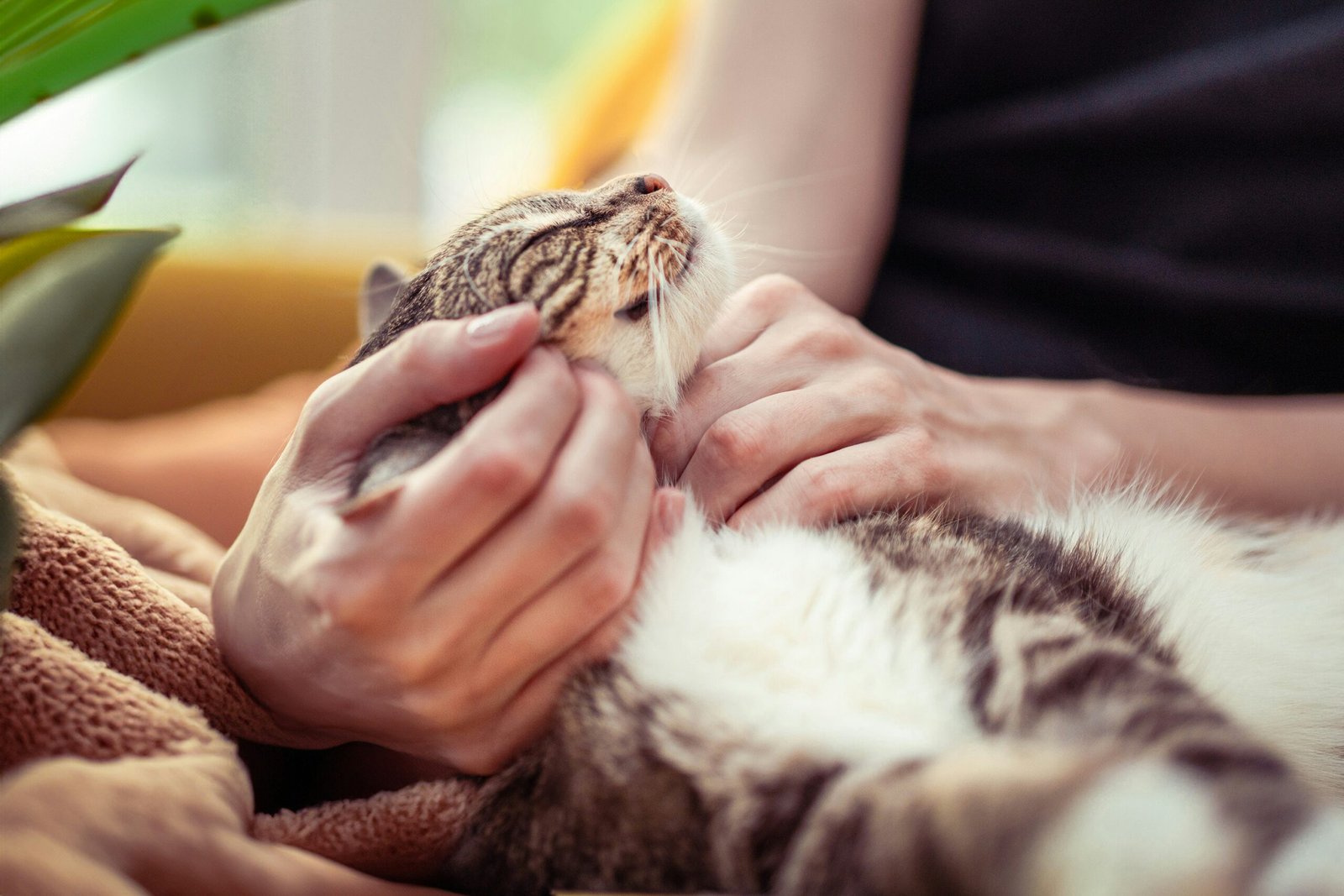
Proper grooming and hygiene are non-negotiable parts of cat care essentials. Many owners assume cats “take care of themselves,” but that belief leads to preventable problems like matting, dental disease, overgrown nails, and litter-related stress. A structured hygiene routine protects both physical health and behavioral stability.
Brushing and Coat Maintenance
Even short-haired cats benefit from regular brushing. Long-haired breeds require consistent grooming several times per week to prevent mats and tangles.
A basic cat grooming routine step by step includes:
- Brushing 1–3 times per week (daily for long hair)
- Checking for skin irritation or parasites
- Monitoring shedding patterns
Brushing reduces loose fur, minimizes hairballs, and improves circulation. It also gives you the opportunity to detect lumps, wounds, or coat changes early.
Why it matters: Regular coat maintenance supports skin health and prevents painful matting that can lead to infections.
Nail Trimming and Scratching Management
Indoor cats don’t naturally wear down their claws the way outdoor cats do. Nails should typically be trimmed every 2–4 weeks.
In addition to trimming, provide:
- Vertical scratching posts
- Horizontal scratch pads
- Multiple scratching locations in multi-cat homes
Scratching is instinctive and essential for stress relief and territorial marking.
Why it matters: Proper nail care prevents injury, protects furniture, and reduces stress-related behavior.
Dental Hygiene
Dental disease is one of the most common but overlooked problems in cat health and wellness. Tartar buildup can lead to gum disease, pain, and systemic health issues.
A strong preventive cat health care routine includes:
- Regular dental checks
- Dental treats or approved dental diets
- Brushing when tolerated
Why it matters: Dental infections can affect major organs if left untreated. Prevention is significantly cheaper and less invasive than treatment.
Litter Box Hygiene and Maintenance
Litter management is one of the most critical cat litter and hygiene responsibilities.
Best practices:
- Scoop at least once daily
- Fully replace litter regularly
- Clean the box with mild, unscented soap
- Maintain one box per cat plus one extra
Poor litter hygiene is a primary cause of elimination problems and stress behaviors.
Why it matters: Clean litter boxes prevent behavioral issues and reduce household odor while supporting urinary health monitoring.
Play, Enrichment, and Mental Stimulation
One of the most overlooked cat care essentials is structured mental stimulation. Many behavioral issues in indoor cats — excessive meowing, aggression, furniture destruction, nighttime hyperactivity — are not “personality problems.” They are boredom problems.
Cats are natural predators. Without appropriate outlets for that instinct, stress builds. Proper cat enrichment ideas are not optional for indoor cats — they are foundational.
Daily Interactive Play
Cats need short, intense play sessions that simulate hunting. The most effective toys mimic prey movement — unpredictable, fast, and engaging.
A healthy daily cat care routine should include:
- 10–15 minutes of interactive play once or twice per day
- Wand toys that encourage jumping and chasing
- Ending sessions with a small food reward to mimic a “hunt-catch-eat” cycle
Passive toys alone are not enough. Cats need interaction.
Why it matters: Structured play reduces stress, prevents obesity, and satisfies predatory instincts in a healthy way.
Puzzle Feeders and Mental Challenges
Mental stimulation can also be built into feeding. Puzzle feeders and slow-dispense toys force cats to work for their food, mimicking natural hunting behavior.
This approach is especially effective for:
- Indoor cats with weight issues
- Highly food-motivated cats
- Cats prone to boredom
It’s one of the simplest upgrades to your indoor cat care essentials.
Why it matters: Mental challenges improve focus, reduce anxiety, and slow down eating for better digestion.
Vertical Space and Territory
Cats feel safest when they can observe their environment from above. Vertical territory is critical in small homes or apartments.
Effective enrichment setup includes:
- Cat trees
- Wall-mounted shelves
- Window perches
Vertical access is especially important in multi-cat households to reduce tension.
Why it matters: Elevated spaces increase confidence, reduce conflict, and support natural territorial behavior.
Rotation and Novelty
Cats habituate quickly. Leaving the same toys out permanently reduces interest.
A smarter strategy:
- Rotate toys weekly
- Store unused toys out of sight
- Reintroduce them periodically
Novelty stimulates curiosity and keeps engagement levels high.
Why it matters: Environmental variation prevents boredom-driven behavioral problems.

Health, Safety, and Wellness Essentials
Strong cat care essentials go beyond food and toys. Preventive health care and environmental safety determine long-term quality of life. Most serious feline health issues develop gradually — which means early monitoring and proactive decisions matter more than reactive treatment.
If you want to reduce emergency vet bills and extend lifespan, this is the section that matters most.
Routine Veterinary Care
Even healthy indoor cats require regular veterinary visits. Annual wellness exams are the baseline. Senior cats often benefit from checkups every six months.
A proper preventive cat health care plan includes:
- Core vaccinations as recommended
- Parasite prevention (even indoor cats can be exposed)
- Routine bloodwork for early disease detection
- Dental evaluations
Skipping routine care doesn’t save money long-term — it increases risk.
Why it matters: Early detection of kidney disease, thyroid disorders, and dental problems dramatically improves outcomes.
Parasite Prevention
Fleas, mites, and intestinal parasites are not just outdoor risks. They can enter homes through shoes, other pets, or open windows.
Discuss prevention options with your veterinarian and use products appropriate for your cat’s age and weight.
This is a foundational part of cat health and wellness that many owners underestimate.
Why it matters: Parasites cause discomfort, skin problems, digestive issues, and in severe cases, systemic illness.
Weight Monitoring and Body Condition
Obesity is one of the most common preventable health problems in domestic cats. It increases the risk of diabetes, joint issues, and heart strain.
Part of responsible essential cat care includes:
- Monitoring weight monthly
- Assessing body condition score
- Adjusting food portions proactively
Subtle weight gain often goes unnoticed until it becomes a serious problem.
Why it matters: Maintaining a healthy weight significantly reduces long-term disease risk.
Household Safety Risks
Indoor environments still contain hidden hazards. Common risks include:
- Toxic plants
- Human medications
- Small ingestible objects
- Unscreened windows or balconies
Microchipping is also strongly recommended, even for strictly indoor cats.
Creating a safe home environment is a core element of cat safety at home.
Why it matters: Prevention eliminates avoidable emergencies and reduces life-threatening accidents.
Cat Care Essentials by Life Stage
Cats’ needs change dramatically over their lifetime. What works for a playful kitten may be inappropriate for an adult or senior cat. Understanding cat care essentials by life stage ensures that nutrition, enrichment, and preventive care remain effective and safe.
Kittens: Building a Strong Foundation
Kittens are growing rapidly and require specialized care. Essential focus areas include:
- Nutrition: High-calorie, protein-rich diets designed for growth
- Socialization: Exposure to people, sounds, and safe environments
- Litter Training: Introduce boxes early with consistent location and routine
- Vaccinations: Start core vaccines and establish a vet relationship
Why it matters: Early nutrition, training, and socialization form the foundation for long-term physical and behavioral health.
Adult Cats: Maintenance and Stability
Adult cats (1–7 years) need a balance of proper nutrition, exercise, and routine care. Focus areas:
- Balanced Diet: Maintain healthy weight and energy
- Regular Enrichment: Daily play sessions, scratching posts, and vertical territory
- Routine Vet Visits: Annual checkups for preventive health
- Dental Care: Regular brushing and dental treats
Why it matters: Maintaining consistency in diet, health monitoring, and enrichment prevents chronic disease and behavioral issues from developing.
Senior Cats: Support for Aging Bodies
Cats over 7–8 years old benefit from adjusted care. Focus areas:
- Nutrition Adjustments: Lower-calorie, joint-supporting diets
- Mobility Support: Accessible litter boxes, easy-to-climb beds, ramps if needed
- Frequent Health Monitoring: Biannual vet visits, weight checks, bloodwork
- Stress Reduction: Maintain familiar routines and enriched environment
Why it matters: Age-appropriate care reduces stress, supports mobility, and addresses emerging health concerns before they become severe.

Building a Daily Cat Care Routine
A structured daily cat care routine is one of the most important cat care essentials for maintaining both physical health and mental well-being. Cats thrive on consistency, and a predictable schedule reduces stress, prevents behavior problems, and supports overall cat health and wellness. This routine should combine feeding, hydration, grooming, play, enrichment, and litter maintenance.
Morning Routine
- Feeding: Offer a measured portion of high-quality cat food based on your cat’s age, weight, and activity level. This is a core part of cat feeding essentials.
- Water Check: Ensure fresh water is available; cats often drink more if their water bowls are clean and refilled daily.
- Litter Box Check: Scoop waste daily and inspect for signs of urinary or digestive issues. Proper litter hygiene is critical for indoor cats.
Why it matters: Starting the day with nutrition, hydration, and a clean litter box sets the tone for a healthy, stress-free day.
Midday or Afternoon Routine
- Interactive Play: Engage your cat with wand toys, laser pointers, or puzzle feeders. Daily cat enrichment ideas reduce boredom and prevent destructive behavior.
- Grooming Quick Check: Brush the coat briefly to reduce shedding and detect skin or fur changes. This is part of the cat grooming essentials routine.
Why it matters: Short, focused sessions maintain mental stimulation and physical activity, especially important for indoor cats.
Evening Routine
- Dinner Feeding: Serve a second measured meal or adjust based on caloric needs.
- Environmental Enrichment: Offer climbing structures, scratching posts, and window perches for exploration. Rotate toys weekly to maintain interest.
- Quiet Time: Spend a few minutes petting or gently interacting with your cat to reinforce social bonds.
Why it matters: Evening engagement prevents nighttime hyperactivity and supports healthy routines for indoor cats.
Weekly Maintenance
- Deep Litter Box Cleaning: Full wash with mild, unscented soap once a week.
- Thorough Grooming: Longer brushing sessions for long-haired cats, nail checks, and dental monitoring.
- Health Observations: Record any changes in appetite, behavior, or energy. Adjust routines or consult a vet if needed.
Why it matters: Weekly maintenance ensures that daily routines remain effective and prevents small problems from becoming larger issues.
FAQ
What Are the Most Important Cat Care Essentials for Indoor Cats?
The core cat care essentials include high-quality nutrition, fresh water, proper litter box setup, grooming tools, enrichment toys, and routine veterinary care. Indoor cats especially benefit from daily routines for healthy indoor cats to prevent obesity and behavioral issues.
How Do I Build a Daily Routine for a Healthy Indoor Cat?
A structured daily cat care routine combines feeding, hydration, grooming, play, enrichment, and litter maintenance. Morning feeding, midday interactive play, and evening environmental enrichment are key. This approach ensures your cat remains active, mentally stimulated, and physically healthy.
What Are the Best Cat Care Essentials for Kittens, Adults, and Seniors?
Life-stage adjustments are critical. Kittens need high-calorie growth diets and socialization. Adult cats require weight management and routine enrichment. Senior cats benefit from joint-support diets, mobility support, and more frequent vet visits. Following cat care essentials by life stage keeps cats healthy and reduces stress.
How Can I Keep My Indoor Cat Mentally Stimulated?
Use cat enrichment ideas such as puzzle feeders, interactive toys, climbing structures, and window perches. Rotate toys regularly and provide daily play sessions. Mental stimulation prevents boredom, reduces anxiety, and supports overall cat health and wellness.
How Often Should I Groom My Cat and Maintain Hygiene?
Short-haired cats benefit from brushing once a week, while long-haired cats need daily grooming. Regular nail trimming, dental care, and litter box cleaning are essential cat grooming and hygiene essentials. Consistent grooming supports coat health, reduces hairballs, and prevents behavioral issues.
What Preventive Health Measures Should Every Cat Owner Take?
Routine vet visits, vaccinations, parasite prevention, and weight monitoring are crucial. Observing subtle changes in appetite or energy allows early detection of health problems. Implementing preventive cat health care ensures your cat lives a longer, healthier life.
Final Thoughts
Mastering cat care essentials is about more than checking boxes — it’s about understanding your cat’s needs at every stage of life and creating a consistent, enriched environment. Proper nutrition, hydration, grooming, mental stimulation, and preventive health care work together to support long-term cat health and wellness.
A well-structured daily cat care routine reduces stress, prevents behavioral problems, and ensures your cat thrives physically and mentally. Indoor cats, in particular, benefit from thoughtfully planned enrichment, vertical spaces, and rotation of toys to satisfy their natural instincts. Life-stage adjustments — from high-calorie diets for kittens to joint support and mobility care for seniors — make a real difference in quality of life.
By implementing these essential cat products and routines, owners can prevent common health issues, support natural behavior, and strengthen the bond between themselves and their cats. Caring for a cat is an ongoing process, but with the right knowledge and approach, it becomes intuitive, rewarding, and deeply beneficial for both cat and owner.
Why it works: Consistency, preventive care, and structured enrichment improve longevity, mental health, and overall well-being, establishing a foundation of authority-level guidance for every cat owner.
Sources
- https://www.akc.org
- https://www.aspca.org
- https://www.avma.org
- https://www.humanesociety.org
- https://www.certifiedprofessionaldogtrainers.com
- https://www.petmd.com
- https://www.dogingtonpost.com
- https://www.vetstreet.com
- https://www.cathealth.com
- https://www.entirelypets.com
- https://www.innovetpet.com
- https://www.honestpaws.com

Pingback: Best Cat Food for Indoor Cats (Top Rated Brands for Health & Weight) - DogCat-care